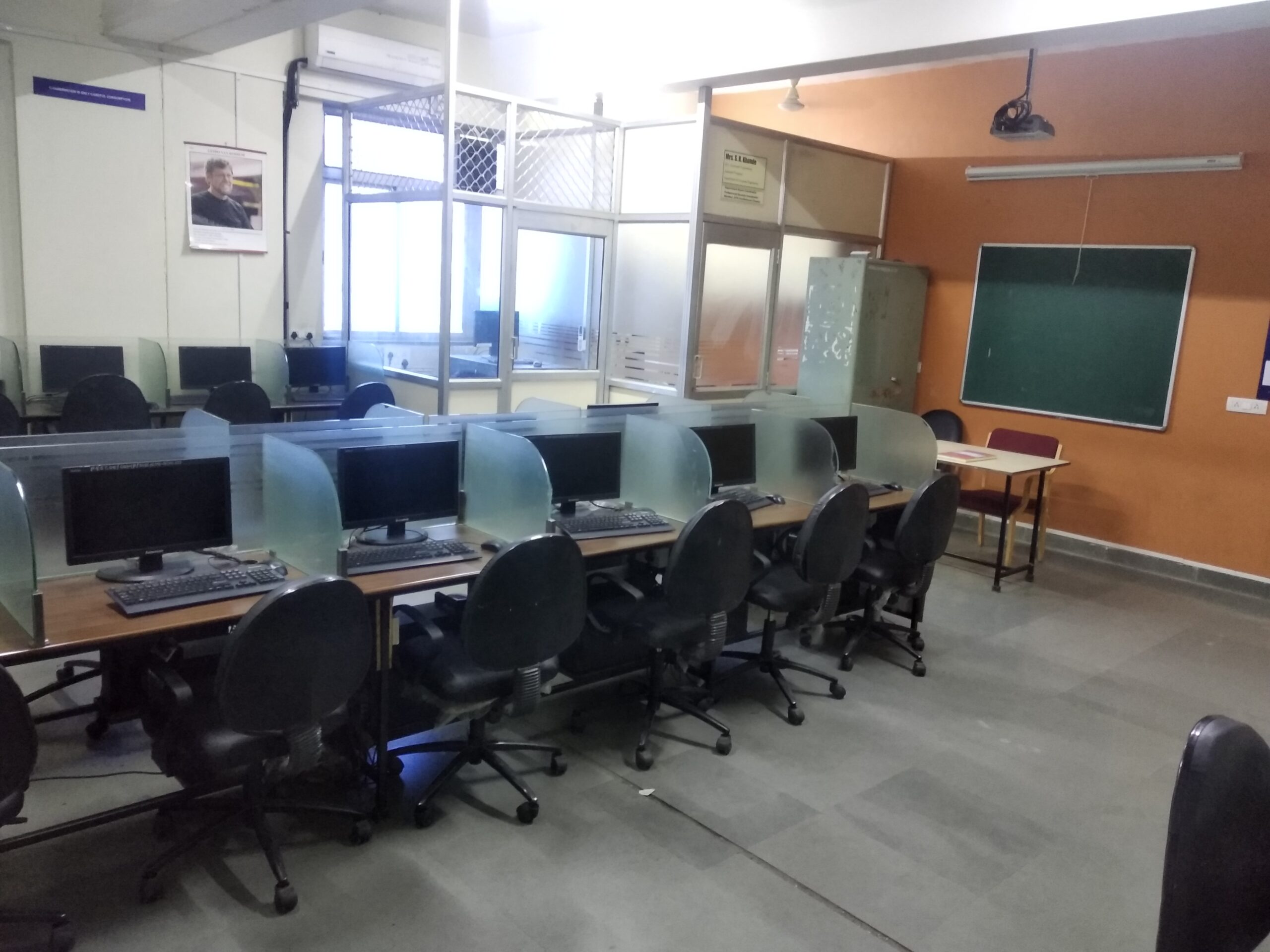
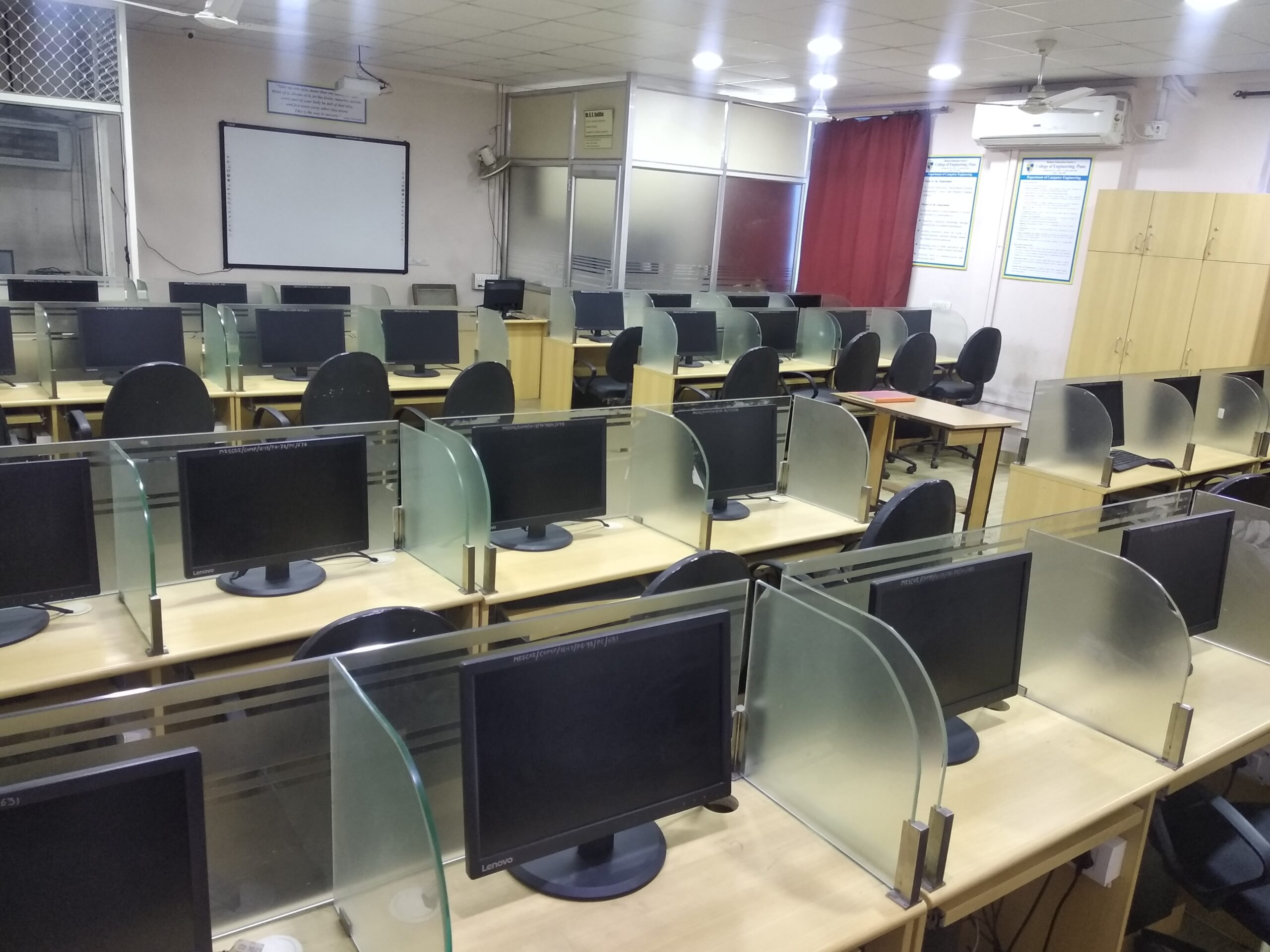
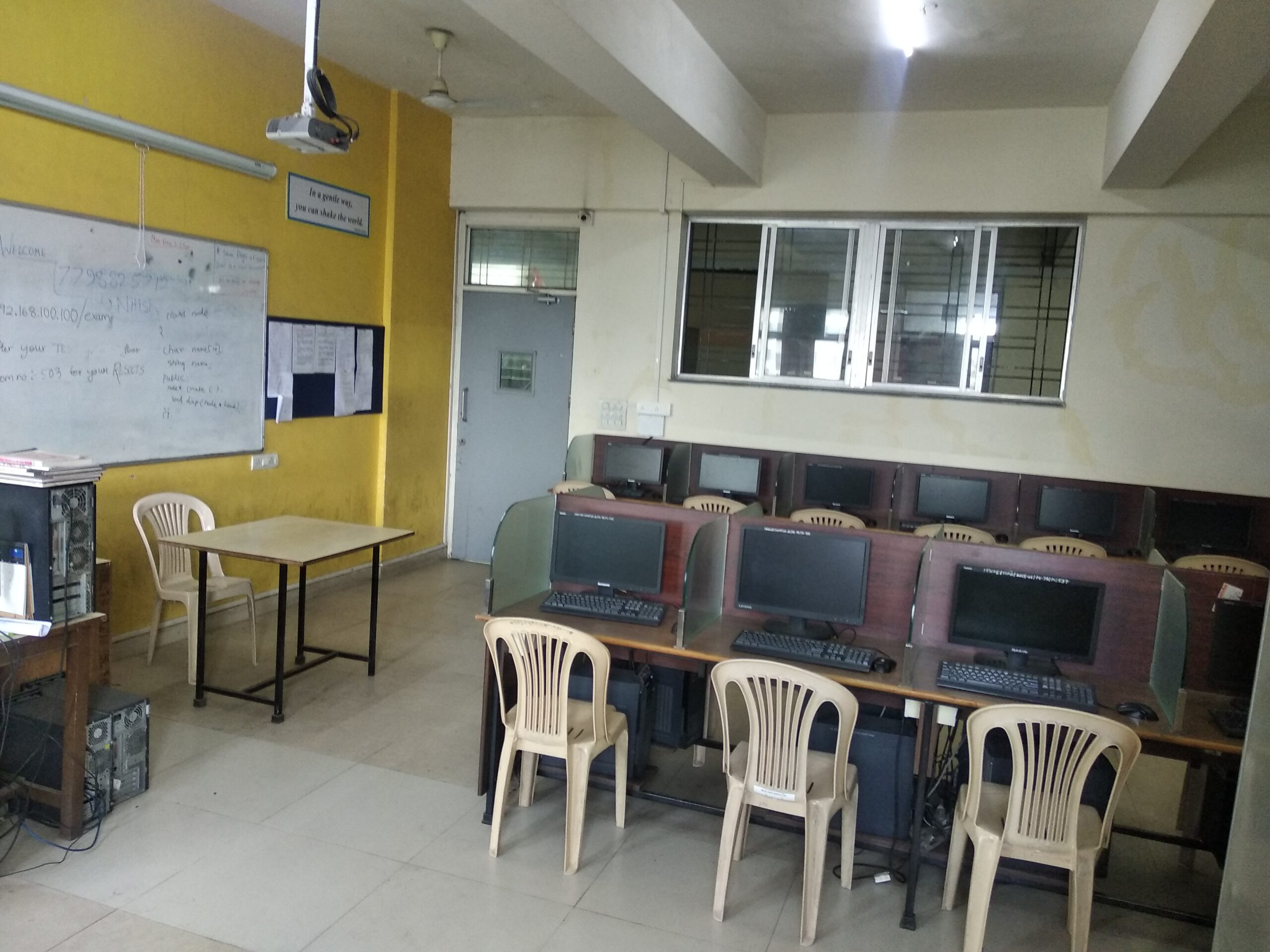
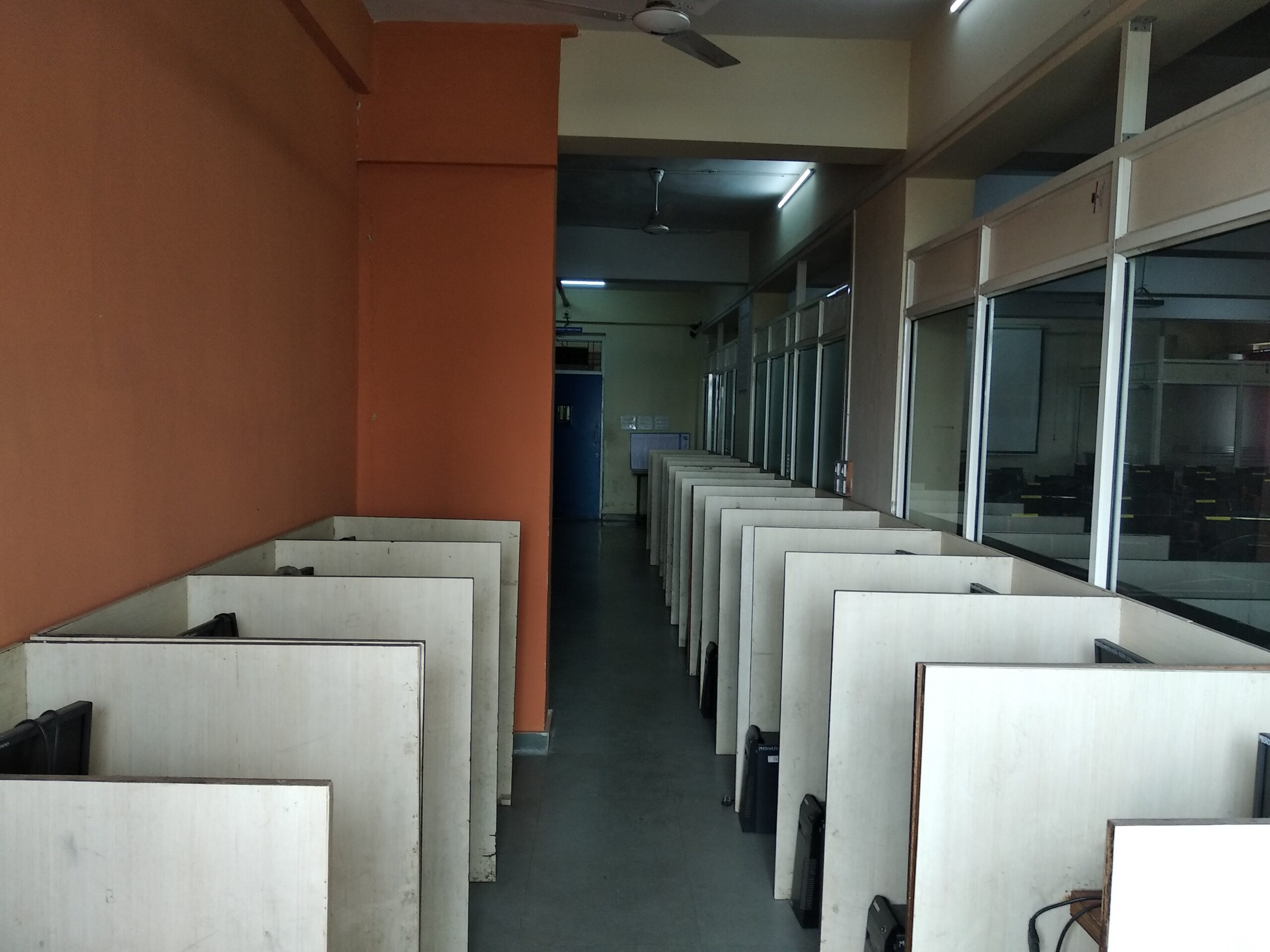
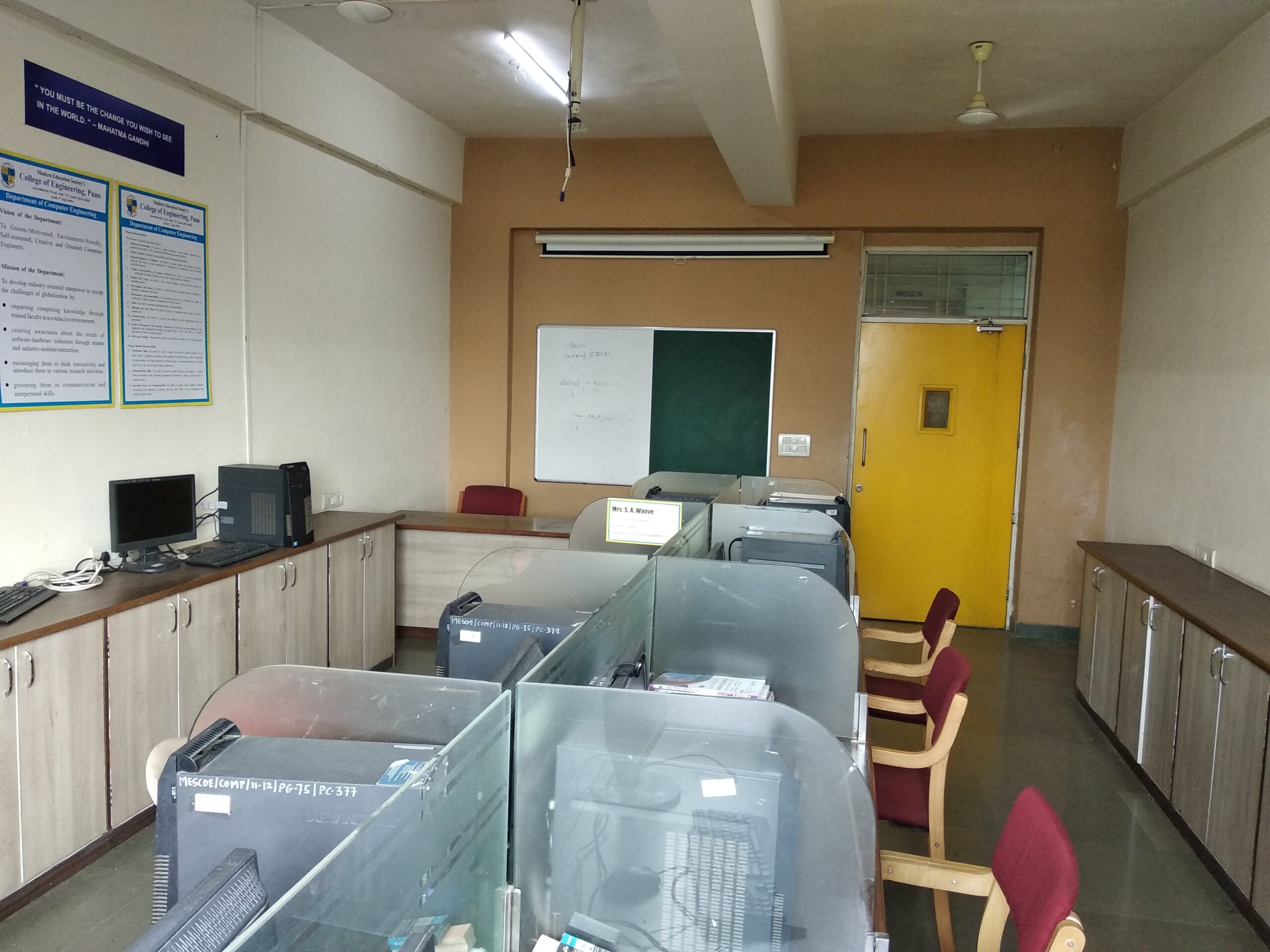
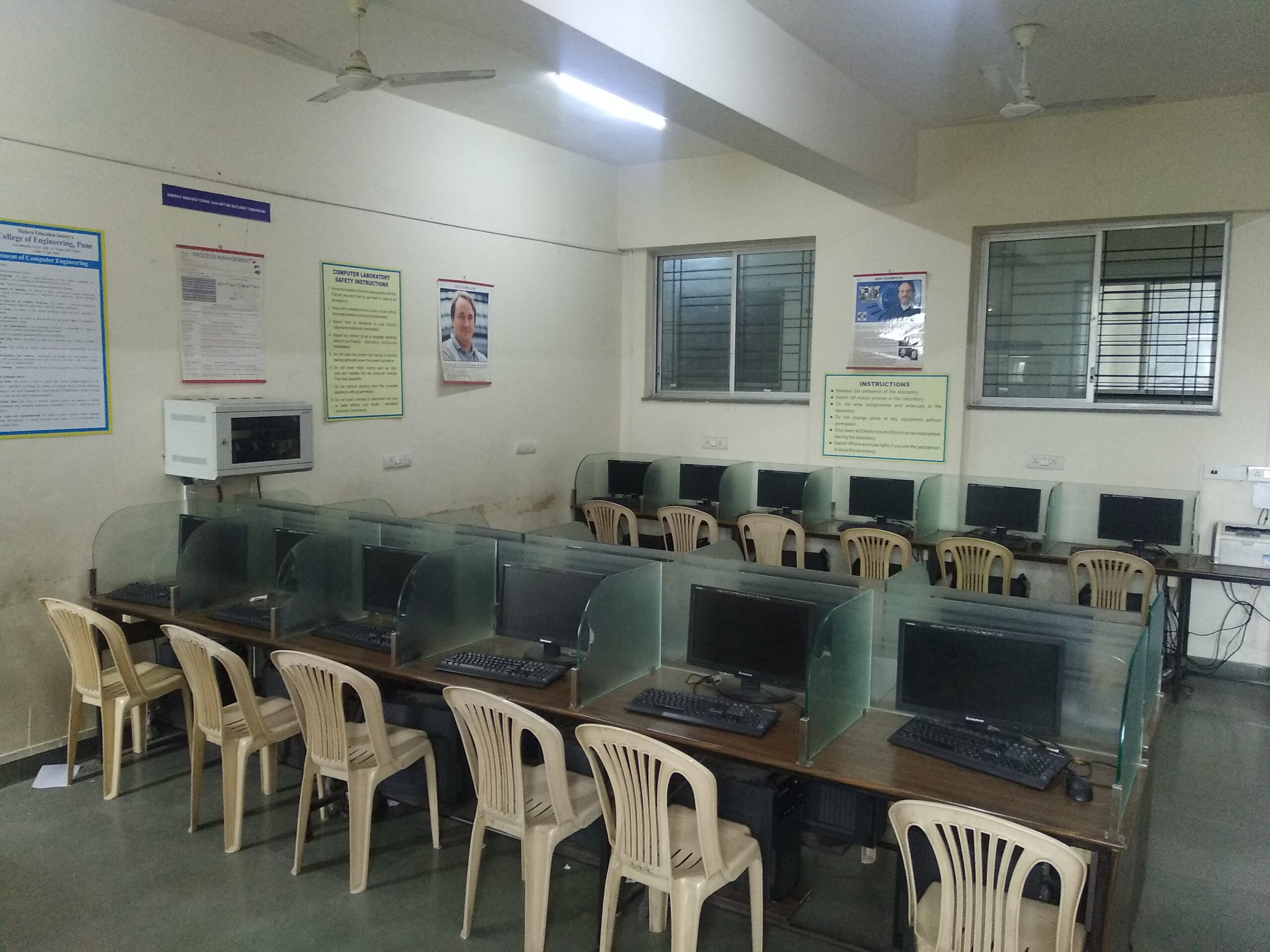
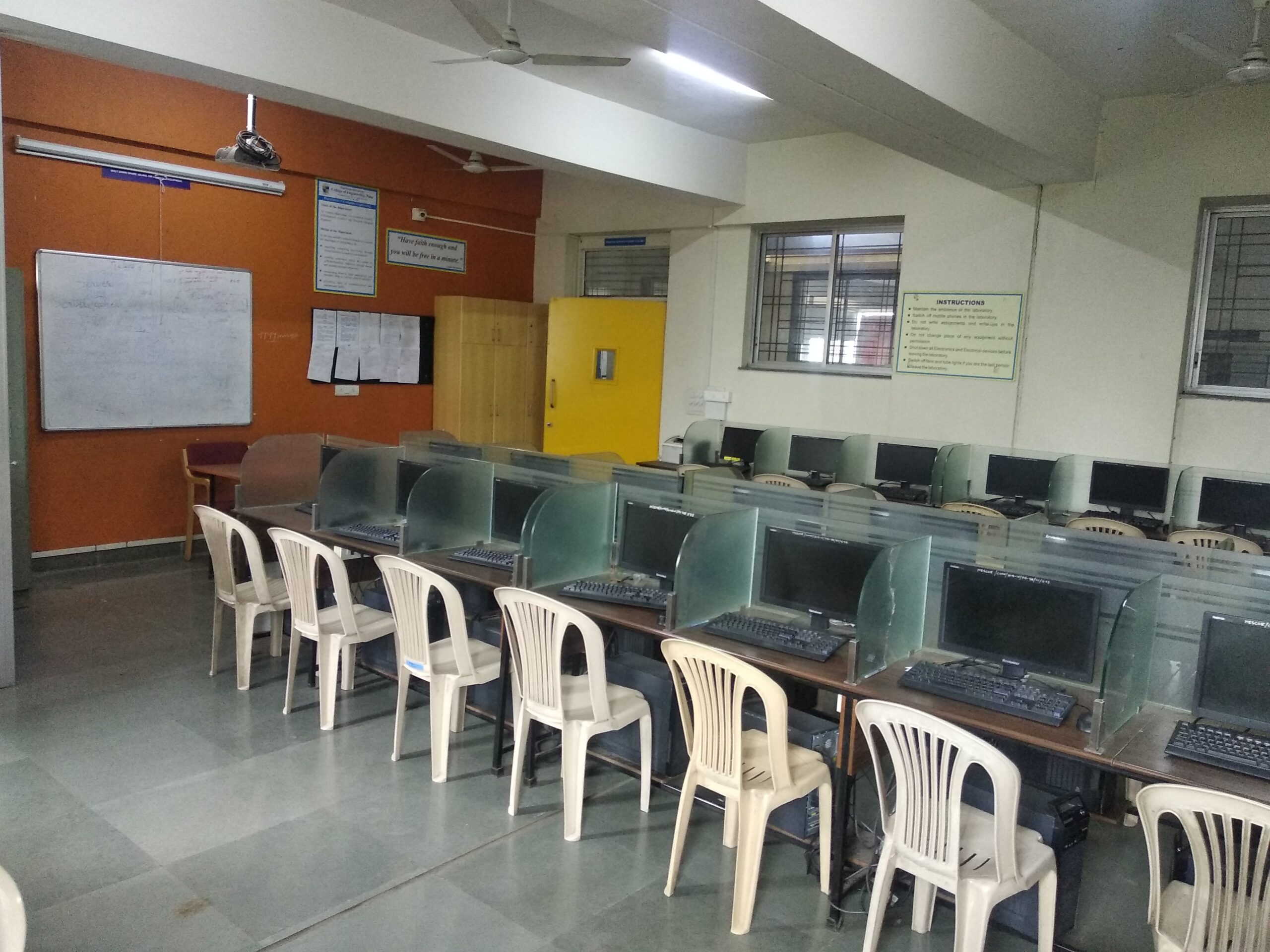
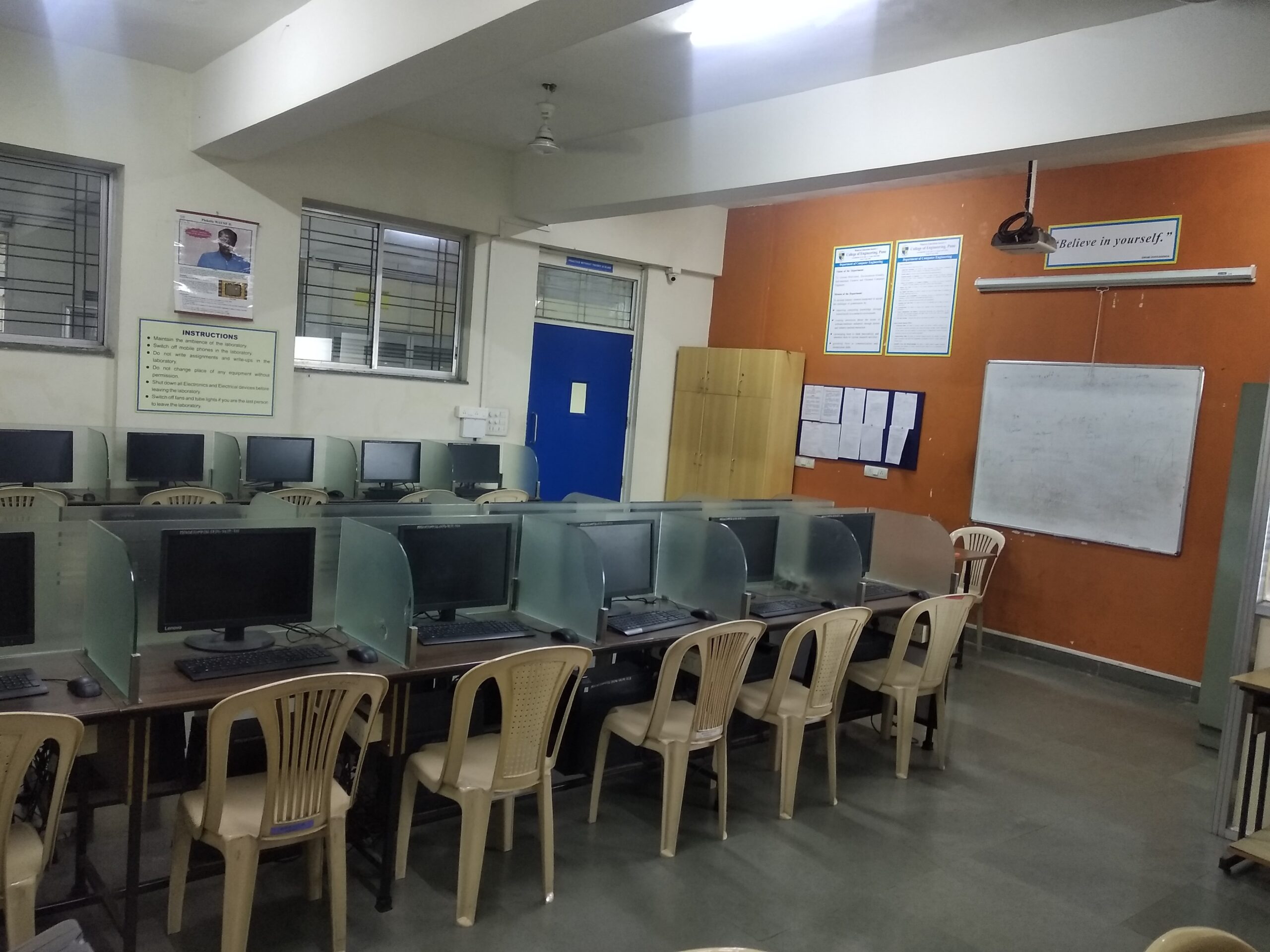
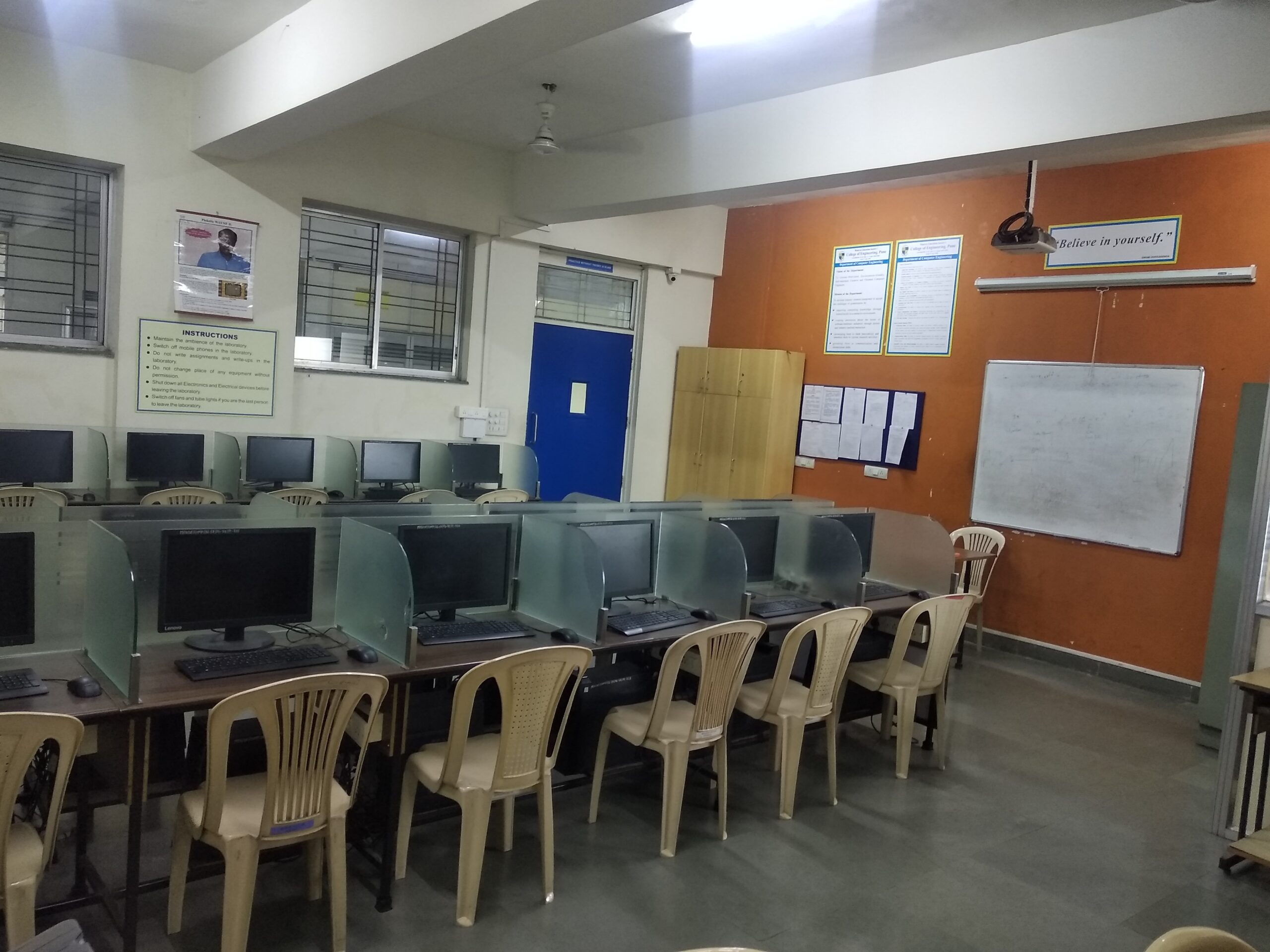
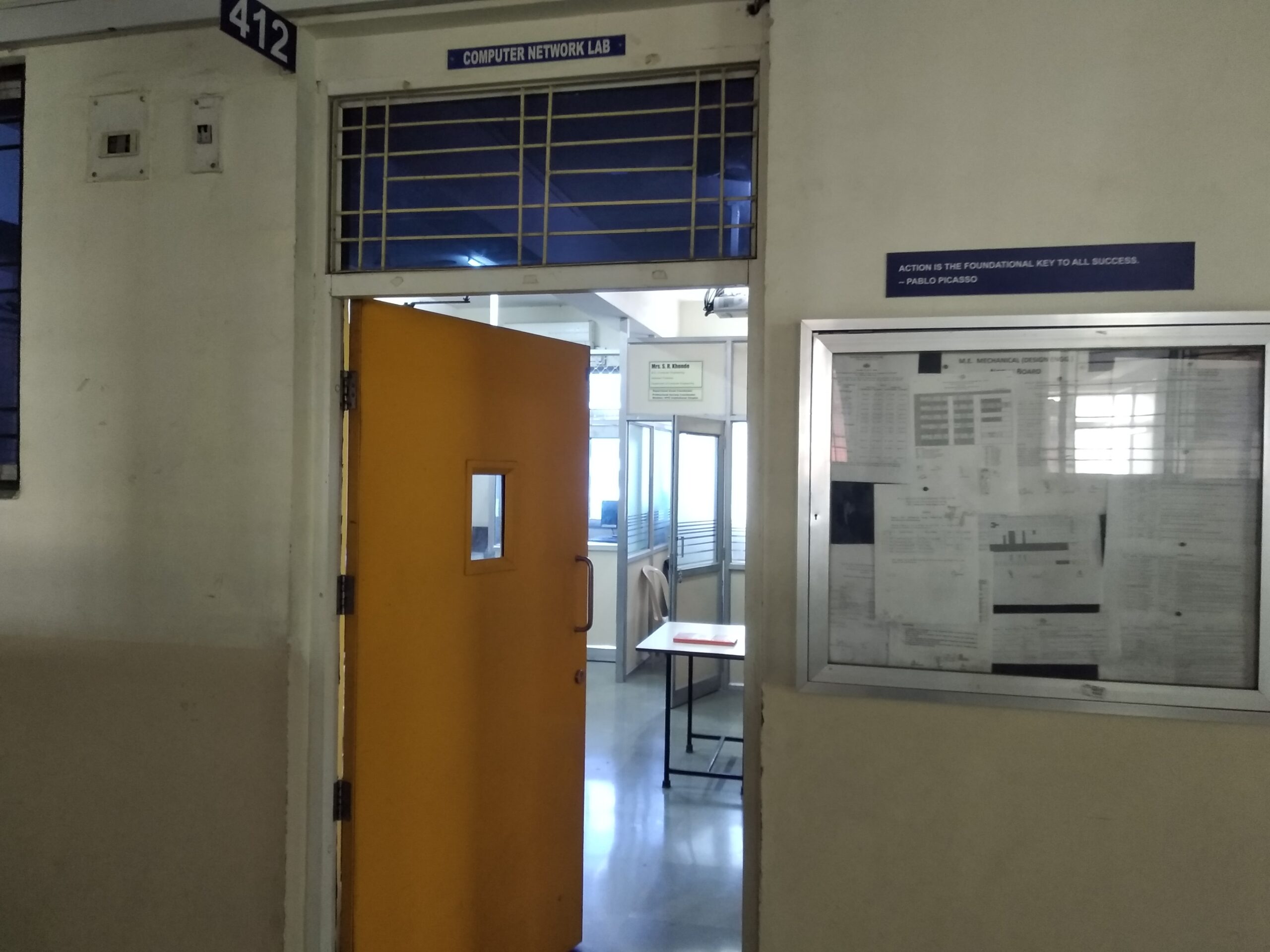
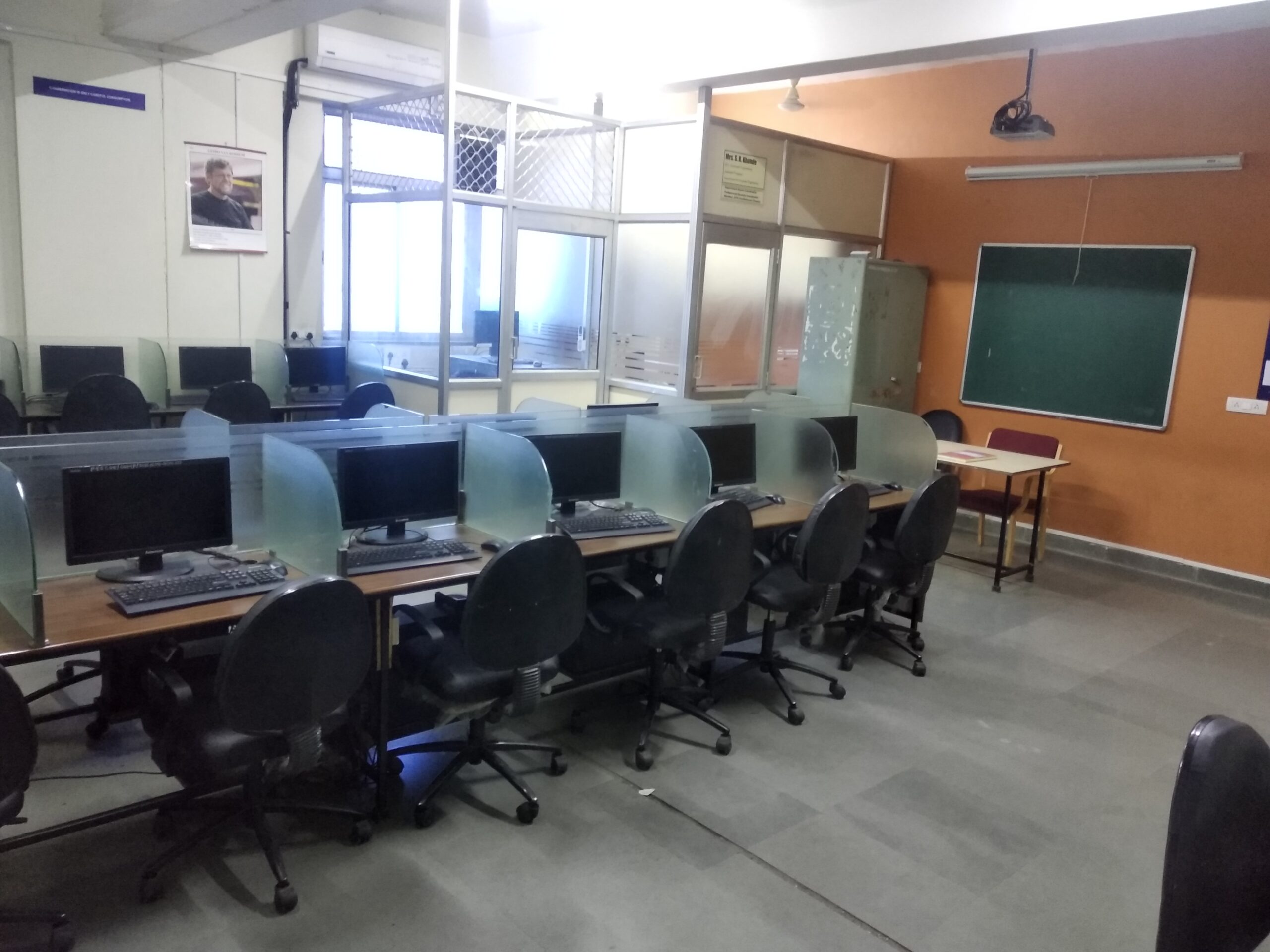
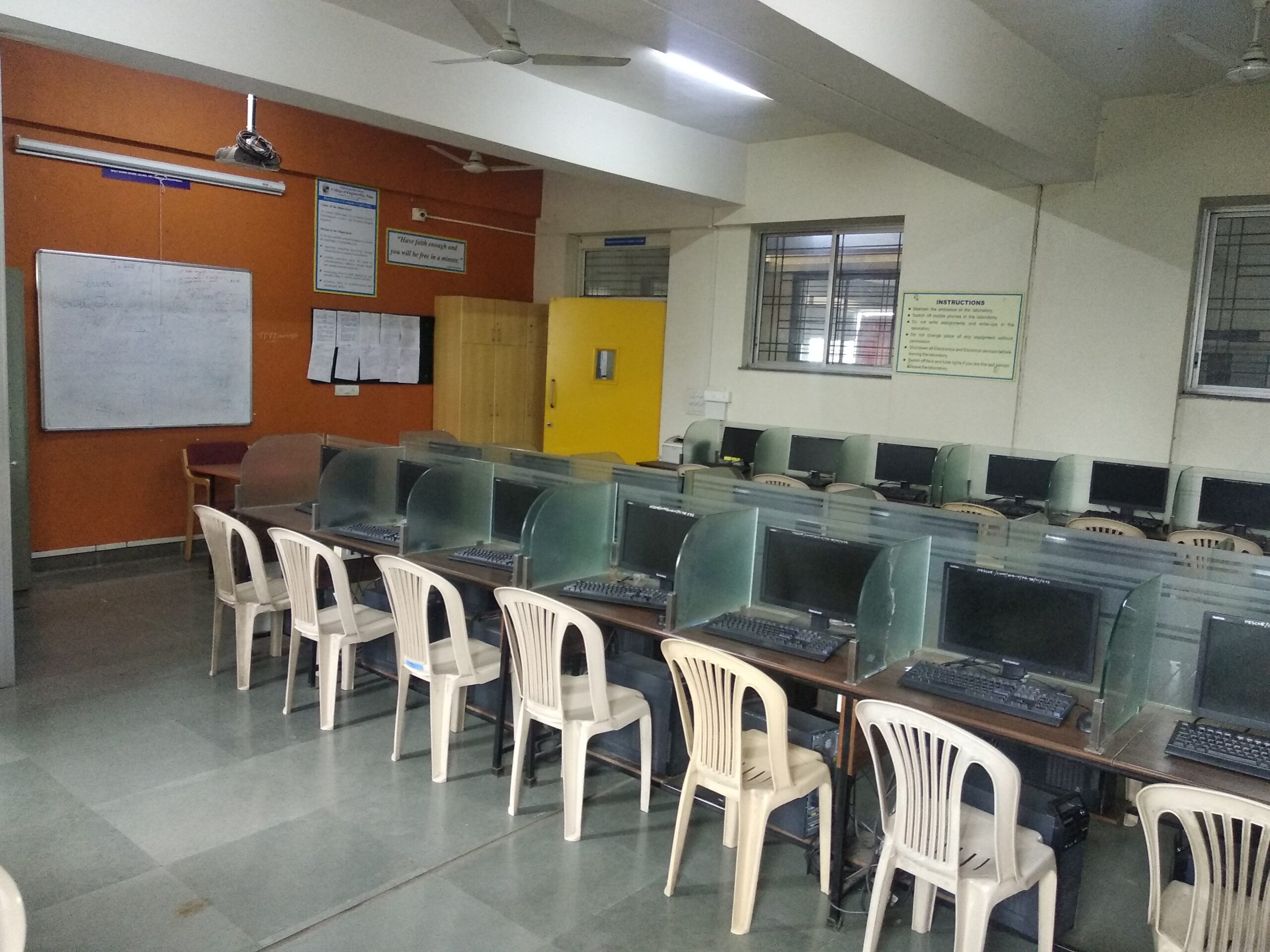
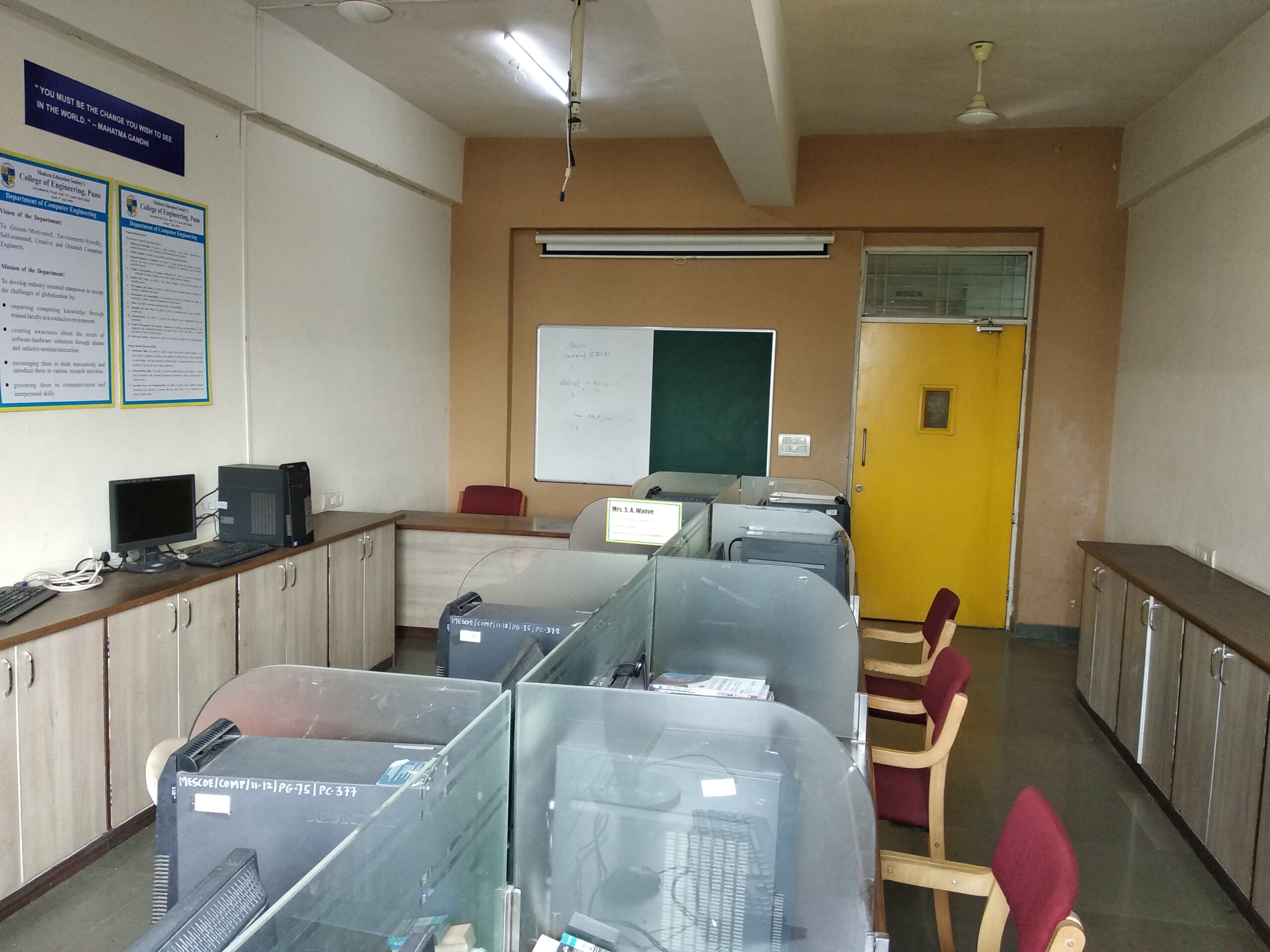
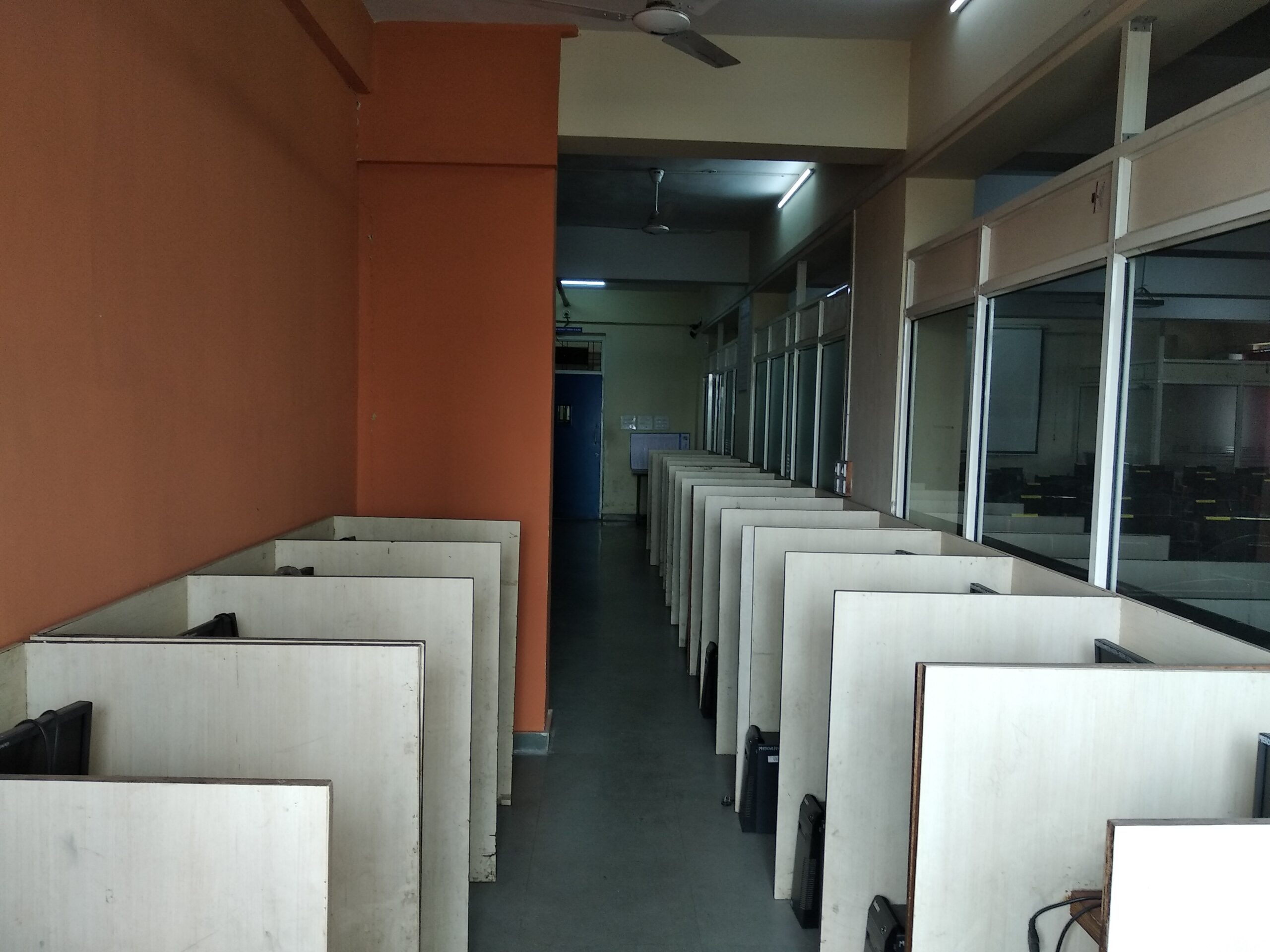
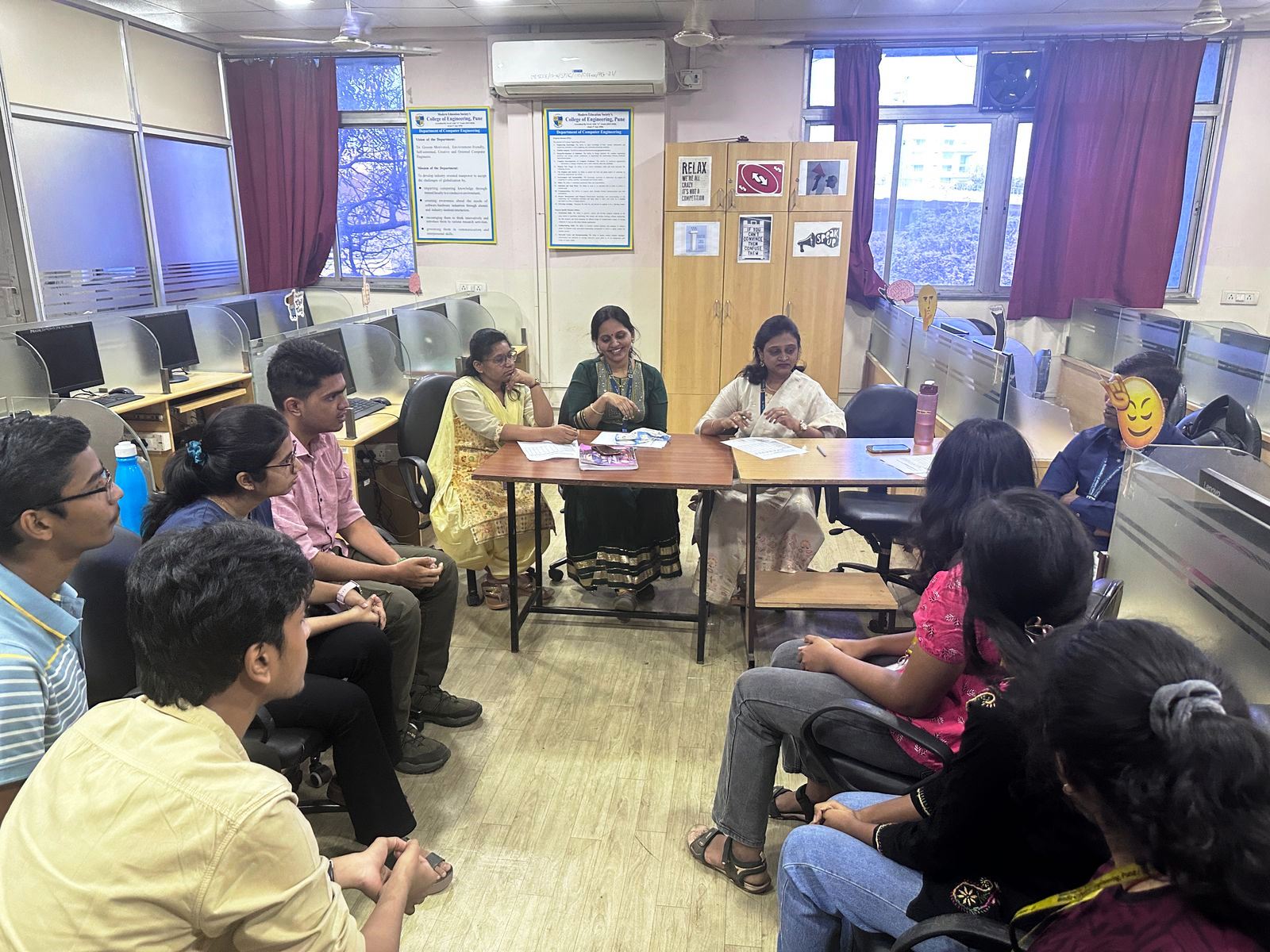
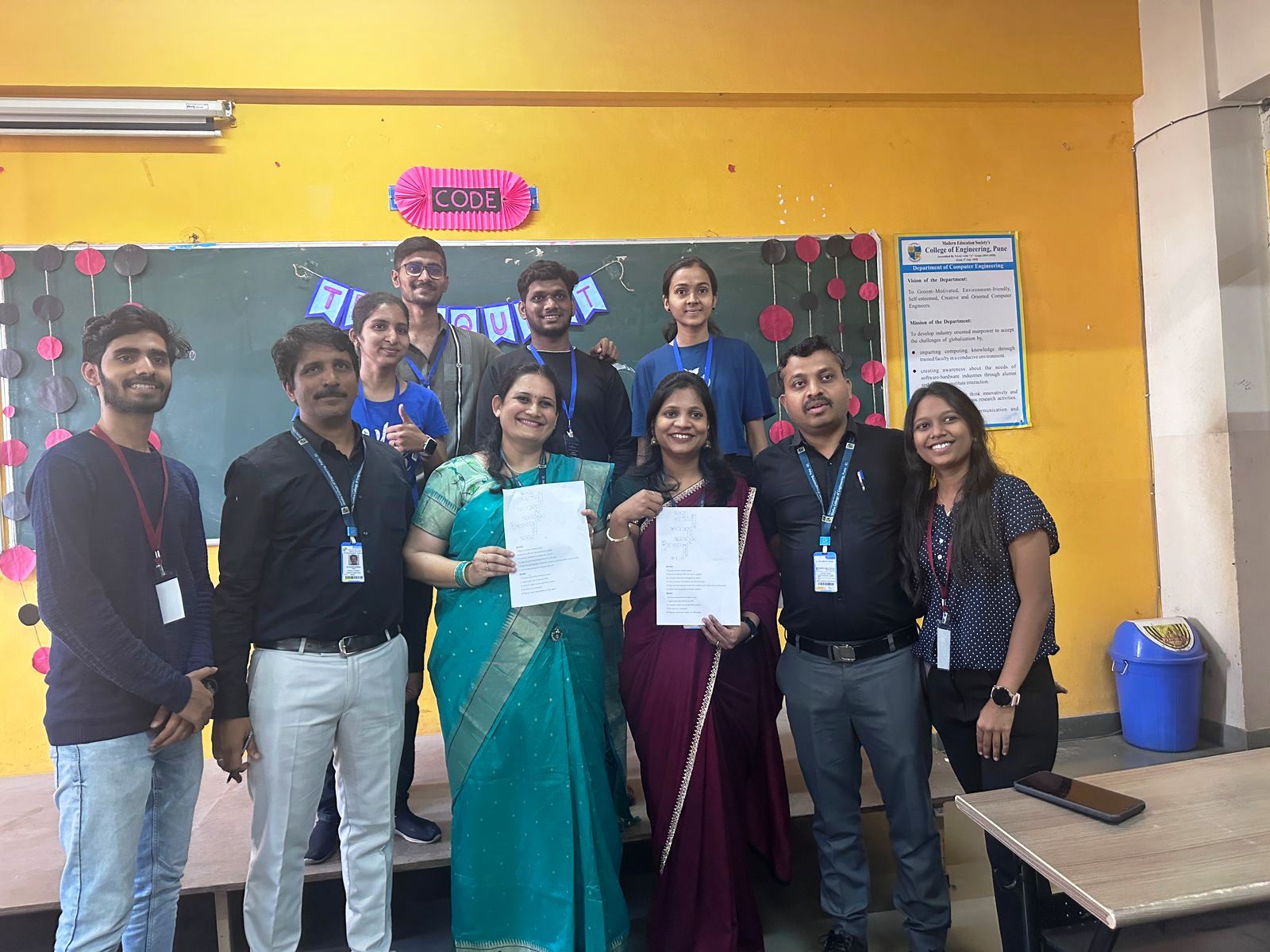
MESCOE's Department of Computer Engineering is an exciting place to study and grow where thinkers become leaders and where the thirst for knowledge never ends. The interaction between students and professors in the department greatly enriches the educational experience for all. The department is accredited by the National Board of Accreditation (NBA) and it has state-of-the-art infrastructure. The department has 10 computer laboratories, all of which are, well equipped with the latest equipment such as computers, printers and scanners. It also has a grand seminar hall with a seating capacity of more than 150.
The Department believes in the culture of research which is in line with the vision of the institute. All the senior faculty in the department hold a PhD and a large number are pursuing their doctoral program. They are experts in the areas they teach. Not only do they provide a solid grounding in the academic theories and concepts of their specialty, but they also provide the students with the right balance of theory and practice. We emphasize teamwork to give opportunities to each student to benefit from the ideas and intelligence of their classmates. The department has an excellent placement record. All our eligible students are hired by good companies. For students who are interested in entrepreneurship, the department has established the Institution’s Innovation Council (IIC MESCOE) in association with the Ministry of Education’s Innovation Council. For the holistic development of students, the department conducts various co and extracurricular activities. We have started with the honors course from 2020-21 in areas such as Artificial Intelligence and Machine Learning, Data Science, Internet of Things, Cyber Security and Augmented and Virtual Reality. The Association of Computer Engineering Students (ACE) is a student body guided by faculty which conducts Inter and Intra-collegiate events such as Digital Renaissance and Alpha Quest. The students are motivated to participate in various coding competitions such as Smart India Hackathon to hone their soft skills and technical skills. The department has a Center of Excellence in the field of High-Performance Computing in association with CDAC.
To groom Motivated, Environment friendly, Self-esteemed, Creative and Oriented Computer Engineers.
To Develop Industry Oriented Manpower to accept the challenges of Globalization by,
The graduates of Computer Engineering will have,
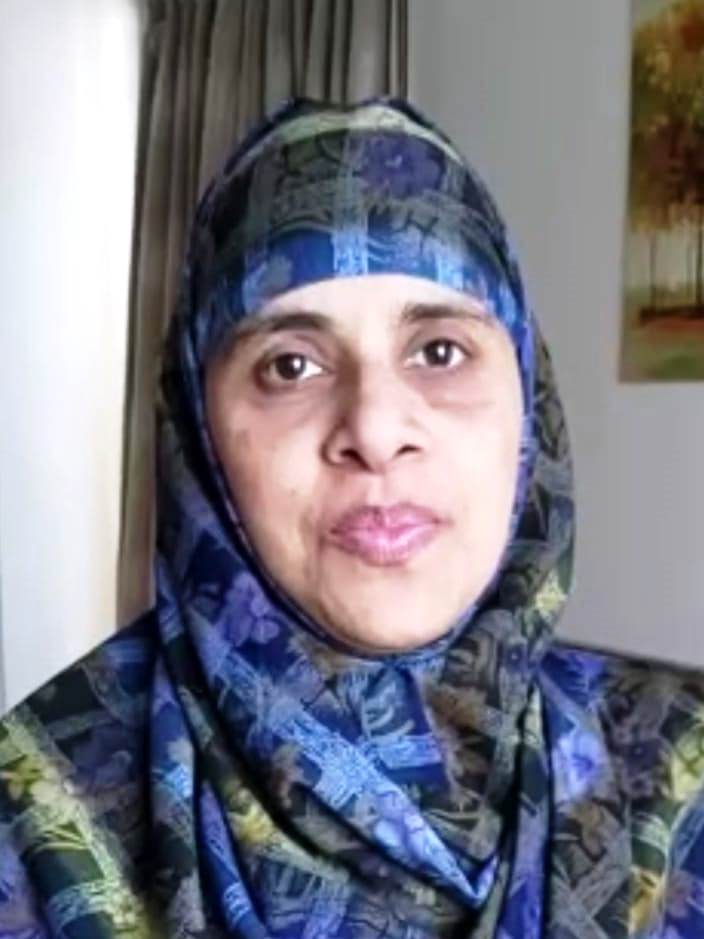
The Department of Computer Engineering is actively working towards the enrichment of knowledge in the field of Computer and Information Technology. The Department has advanced infrastructure and computing facilities supported by high-speed internet connection. The department is an exciting place to study and fulfil the thirst for knowledge. We have a pool of experienced, dedicated and committed faculty who aim at delivering top-class education to students.
We organize multiple activities such as Alpha Quest, Digital Renaissance, Conferences, expert lectures etc. to support the holistic development of our students. All our eligible graduates gain employment in the best IT industries through Campus Placement. 3 faculty members have been certified as Innovation Ambassadors by the Ministry of Education’s Innovation Cell. As for the faculty, three members have completed while many are pursuing PhD in various domains of Computer Science & Engineering.
| Sr. No. | Name | Designation |
|---|---|---|
| 1. | D. S. Rengade | Lab Assistant |
| 2. | Mr. S. B. Shinde | Lab Assistant |
| 3. | Mr. H. G. Muknak | Lab Assistant |
| 4. | Mr. R. M. Kamble | Lab Assistant |
| 5. | Mr. N. R. Raut | Lab Assistant |
| 6. | Mr. A. A. Gaikwad | Lab. Attendant |
| 7. | Mr. V. D. Kamble | Peon |
| 8. | Mr. G. A. Patange | Liftman |
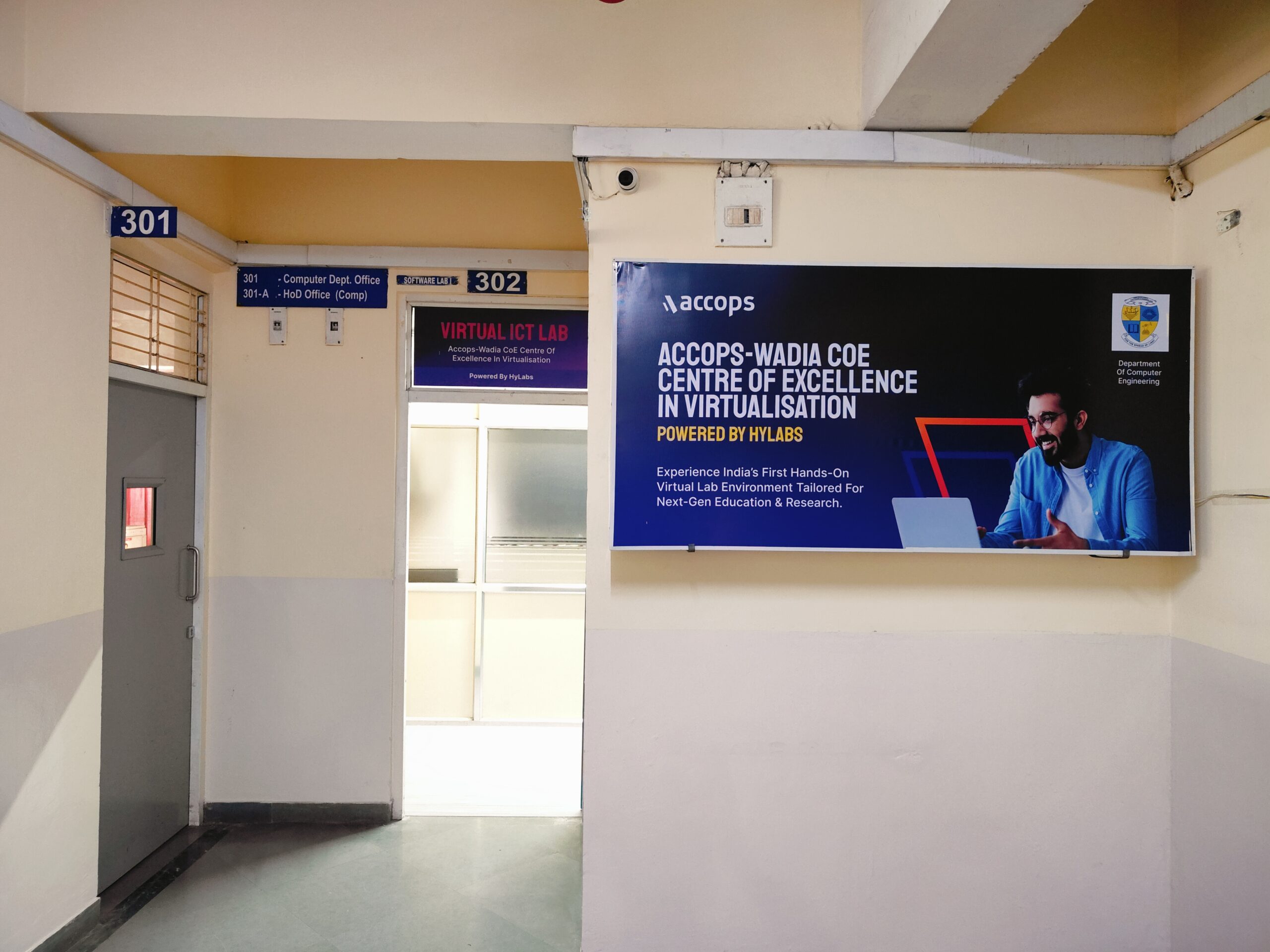
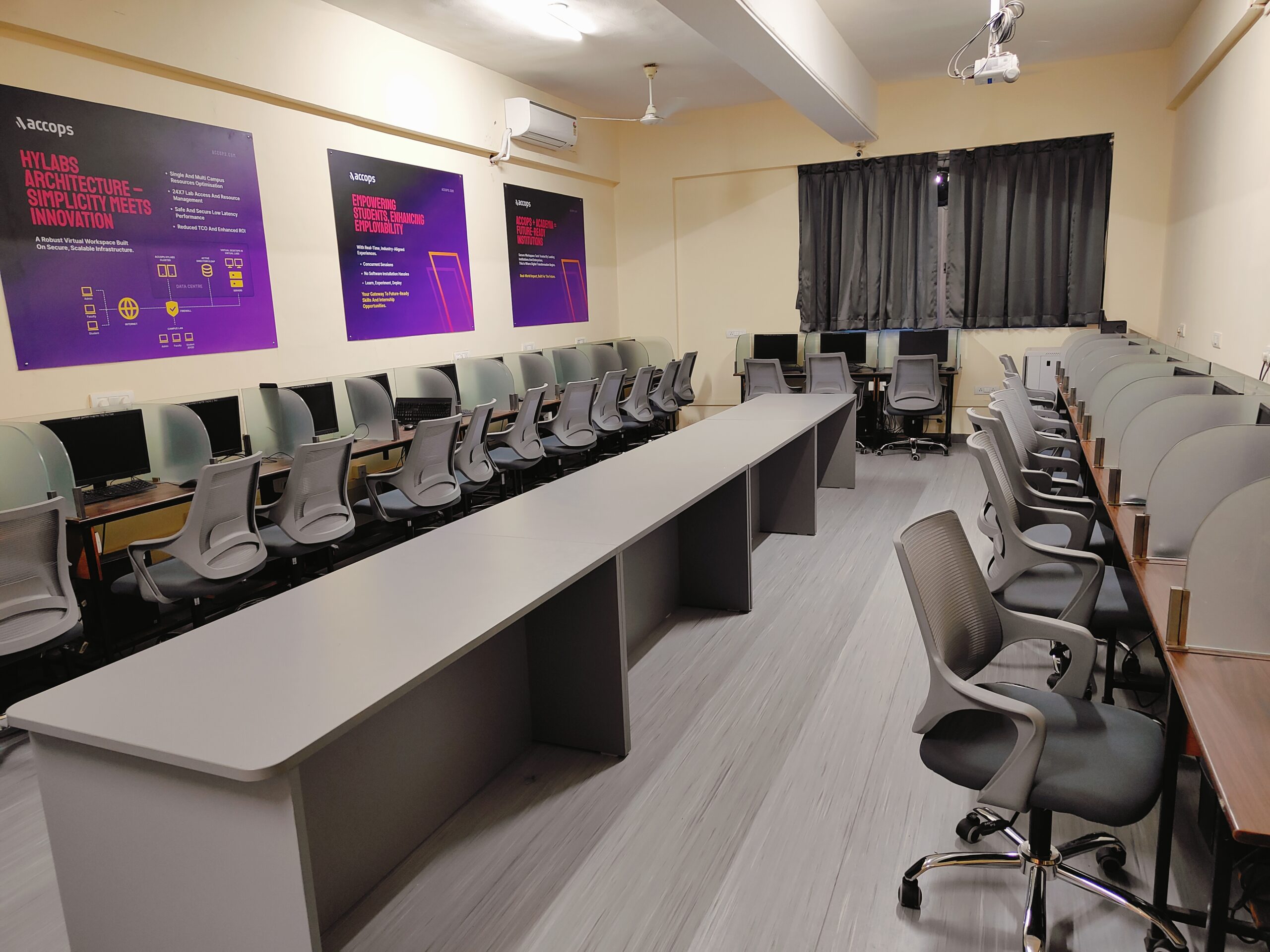
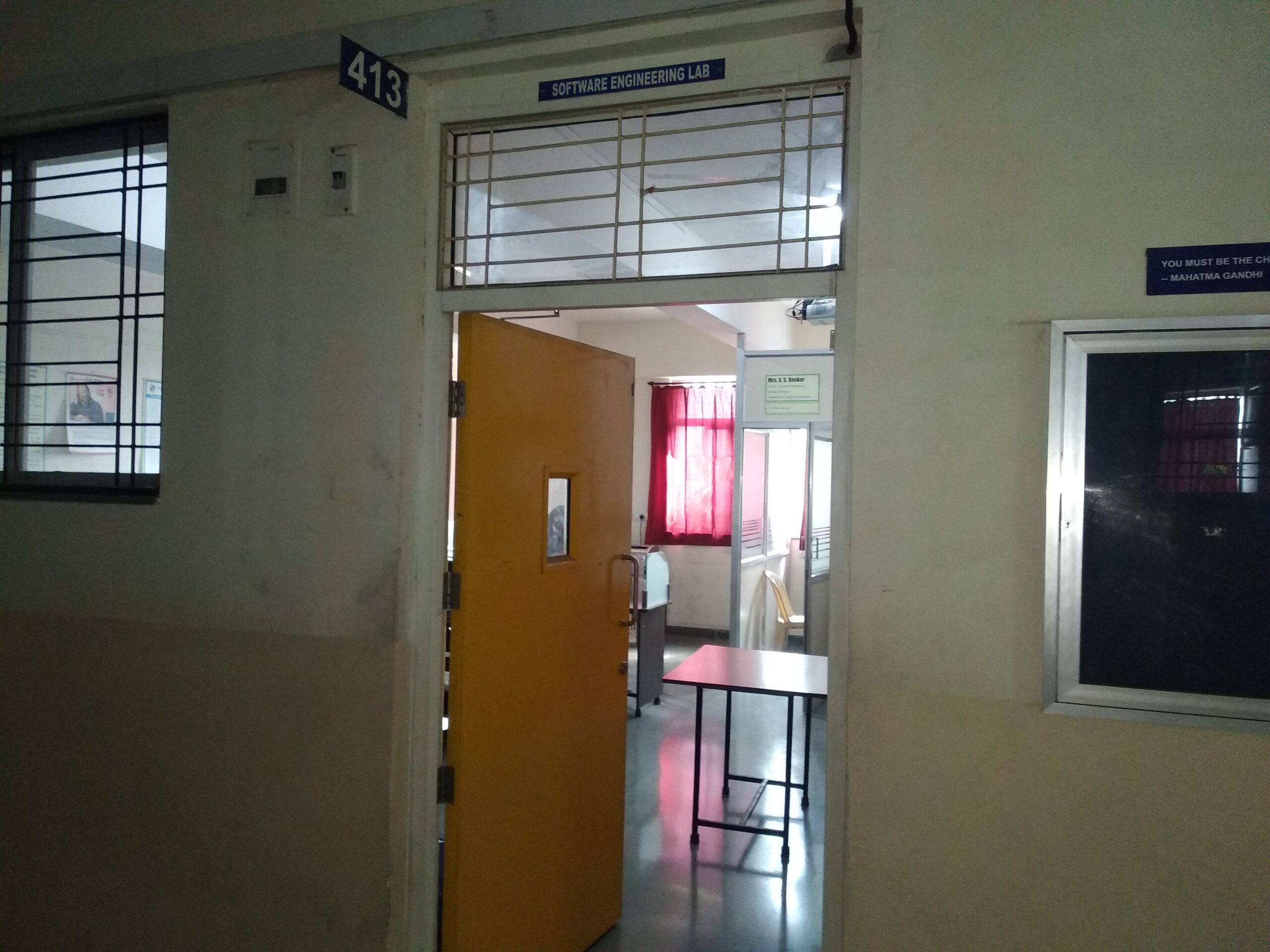
| 1 | Virtual ICT Lab ( 302 ) | 7 | Software Engineering Lab ( 413) | ||
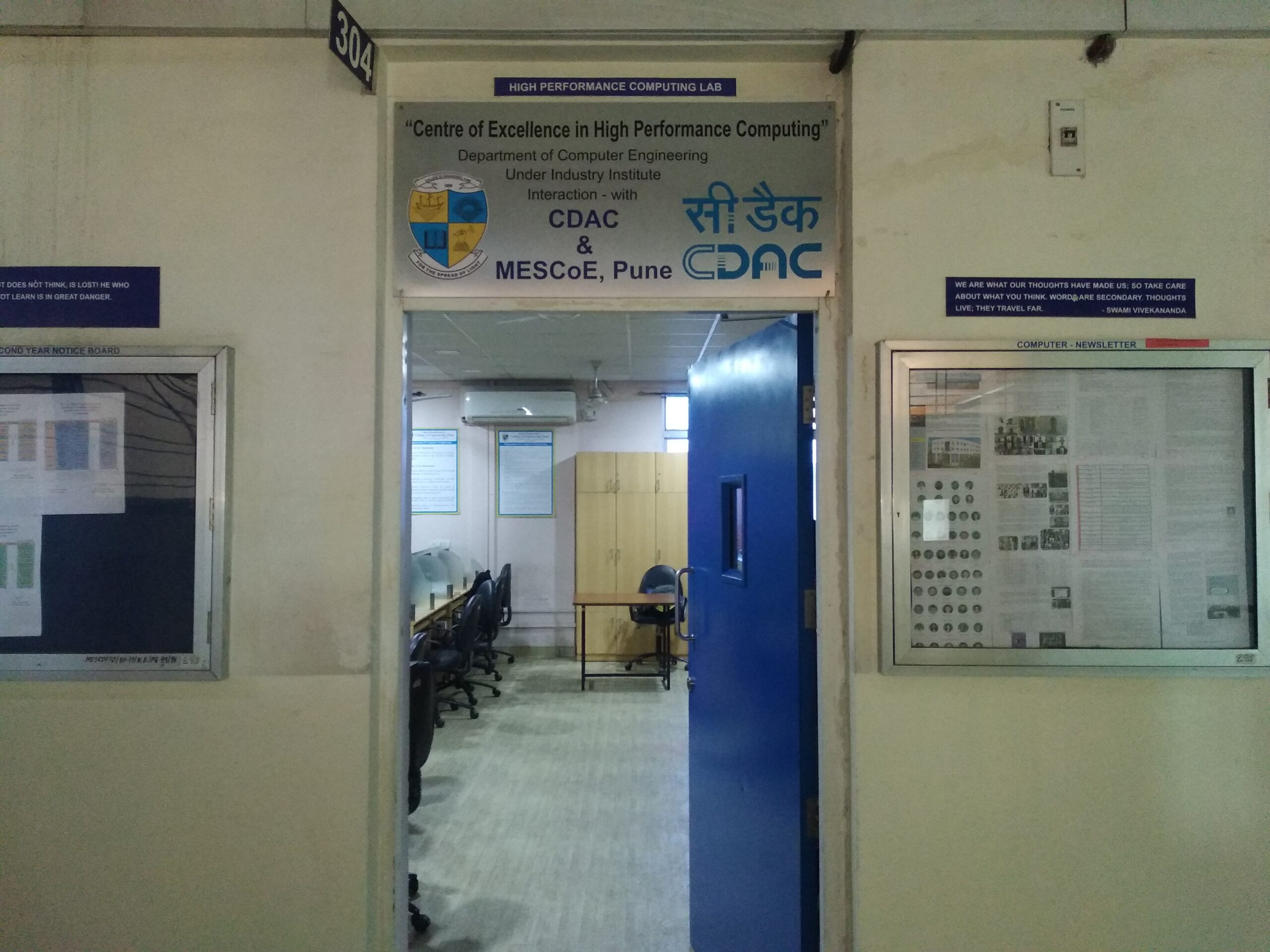
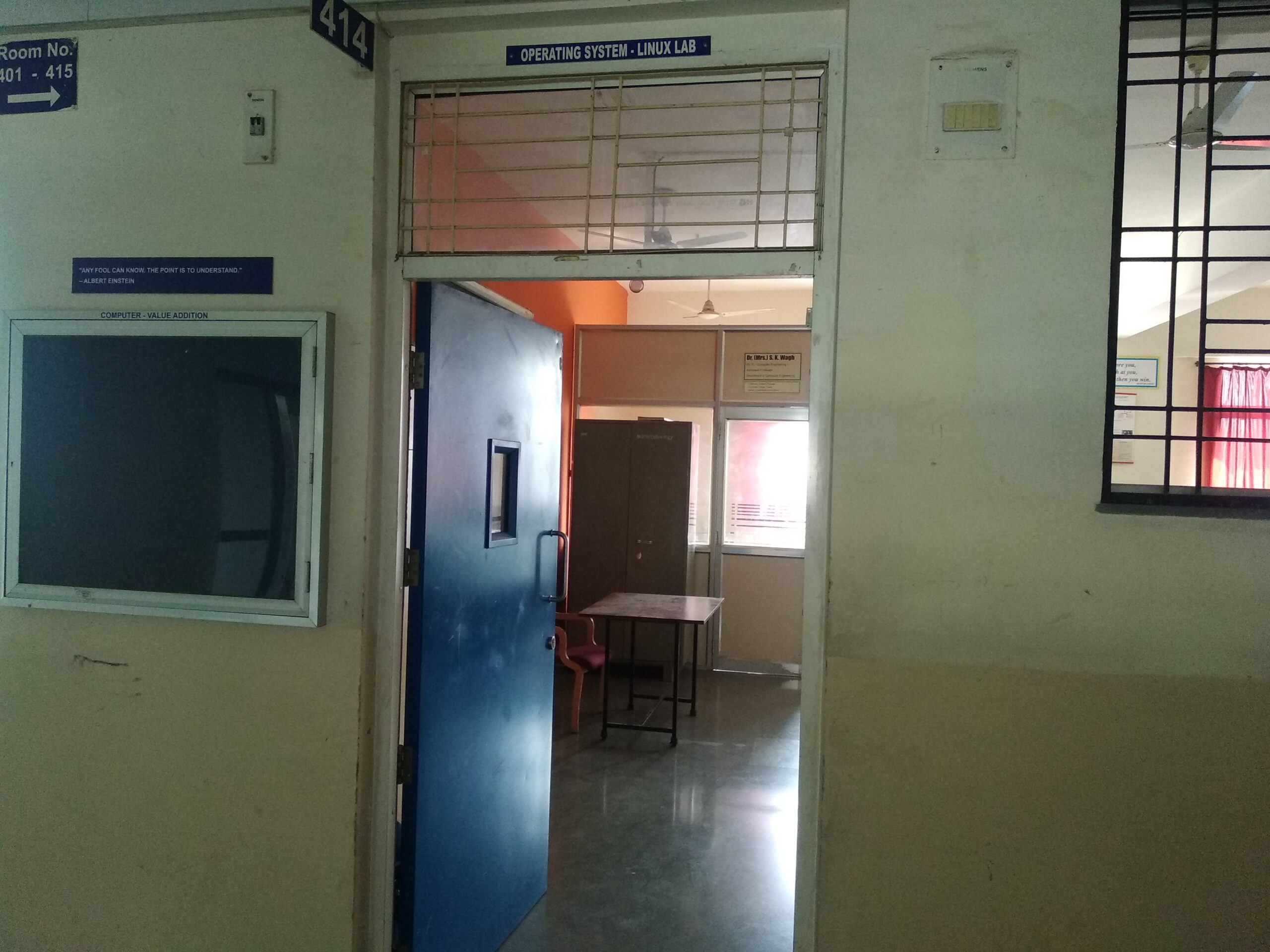
| 2 | High Performance Computing Lab (304) | 8 | Oerating System-Linux Lab (414) | ||
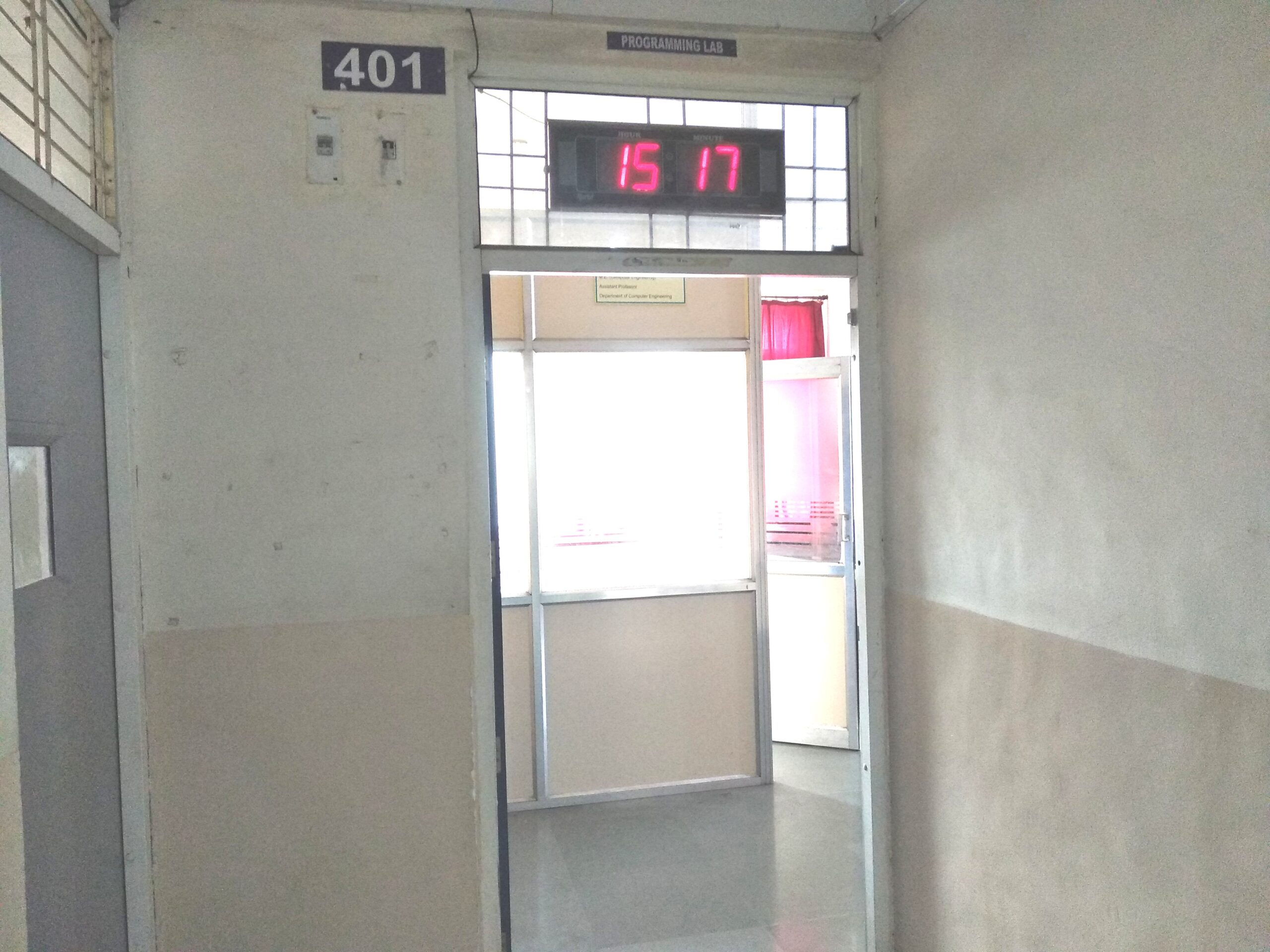
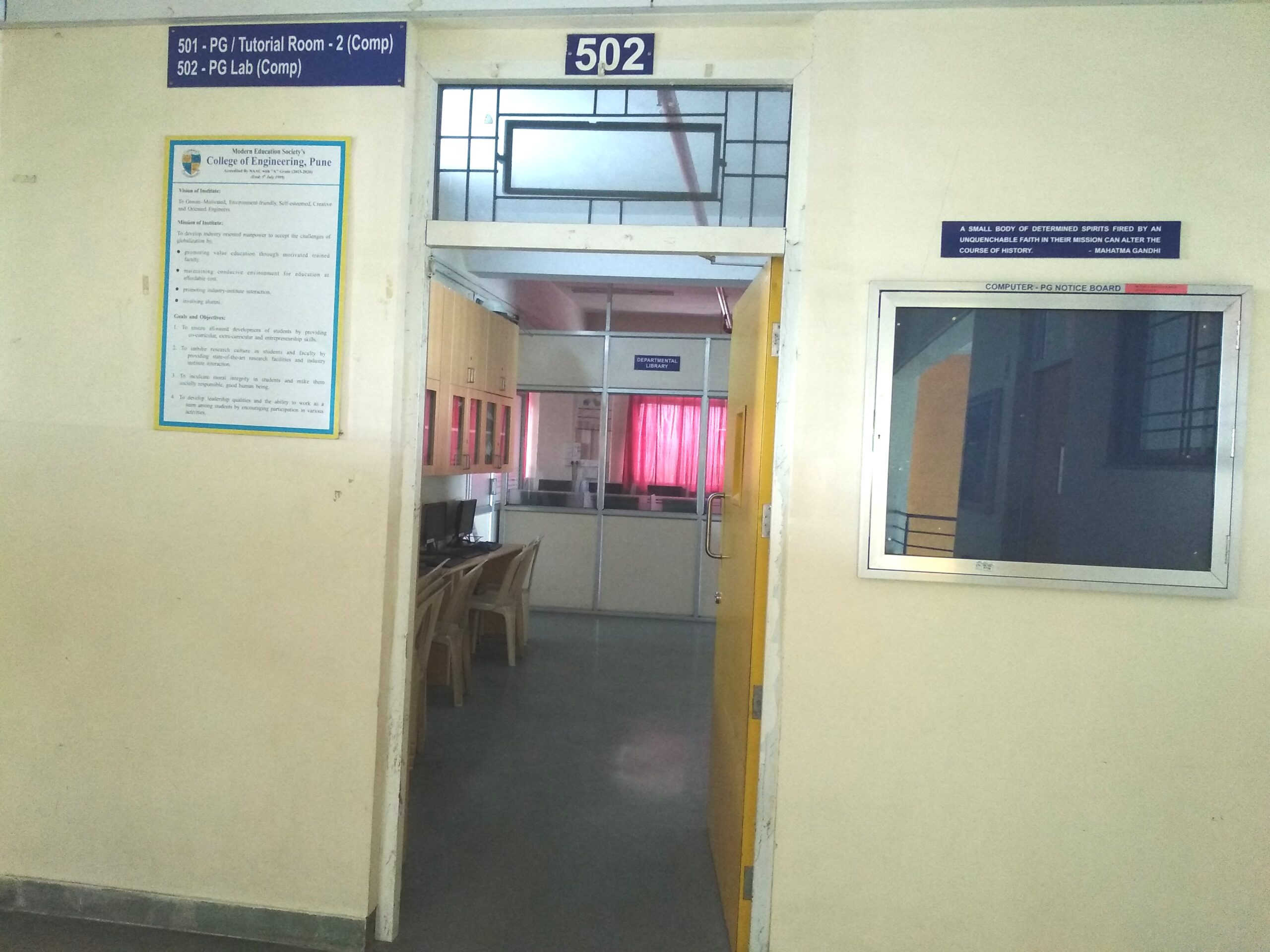
| 3 | Programming Lab (401) | 9 | PG Lab (502) | ||
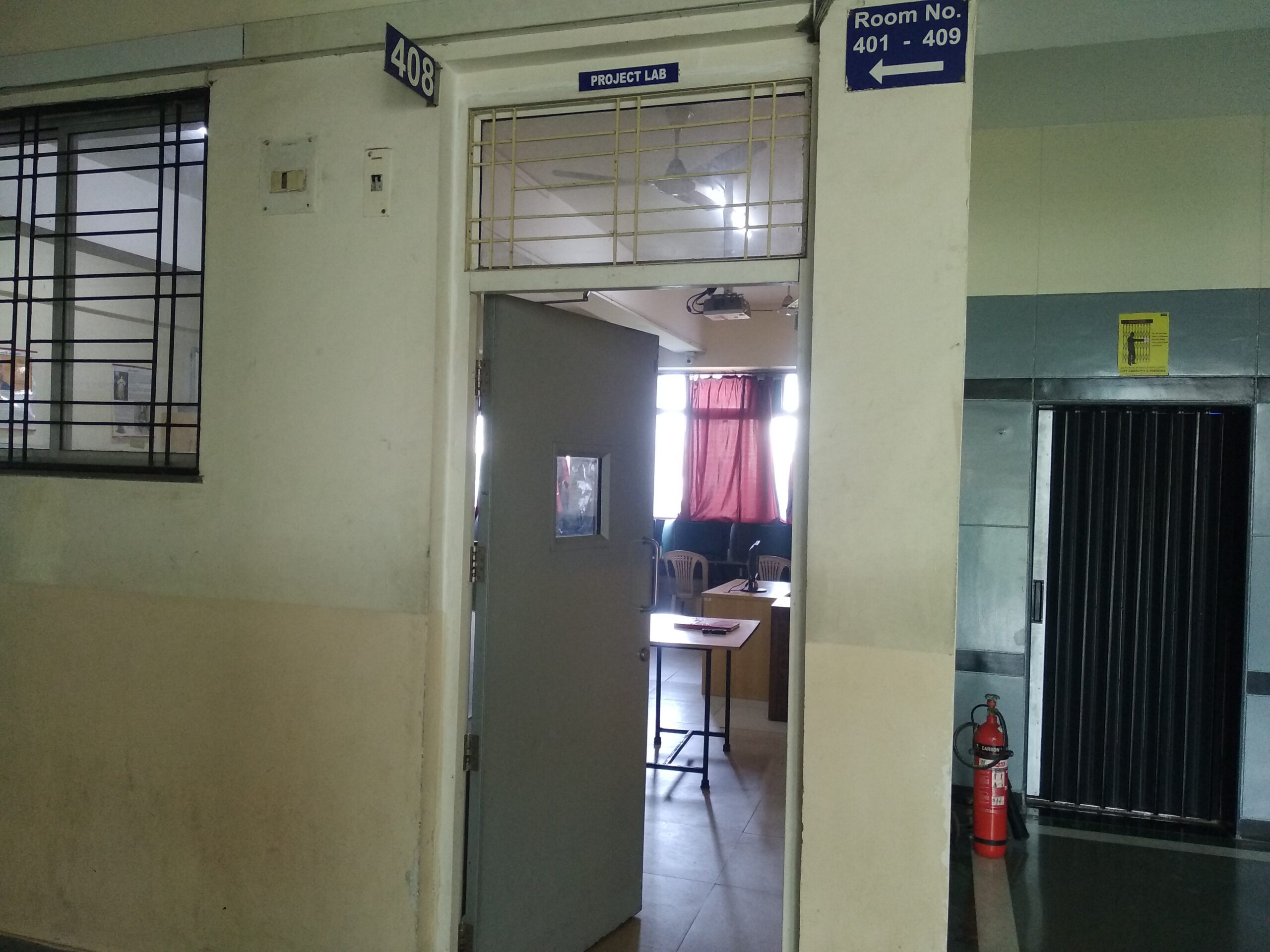
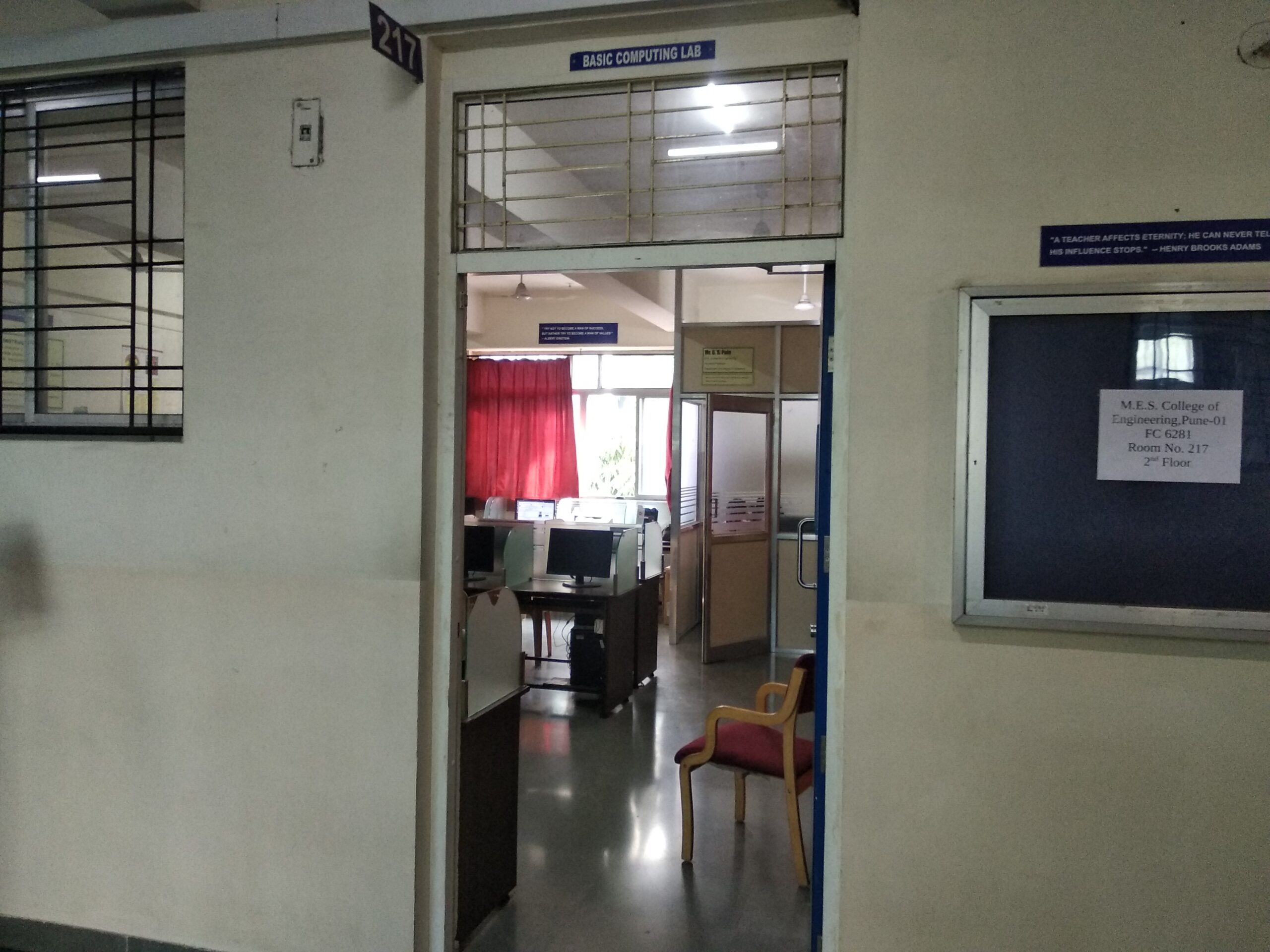
| 4 | Project Lab (408) | 10 | Basic Computing lab (217) | ||
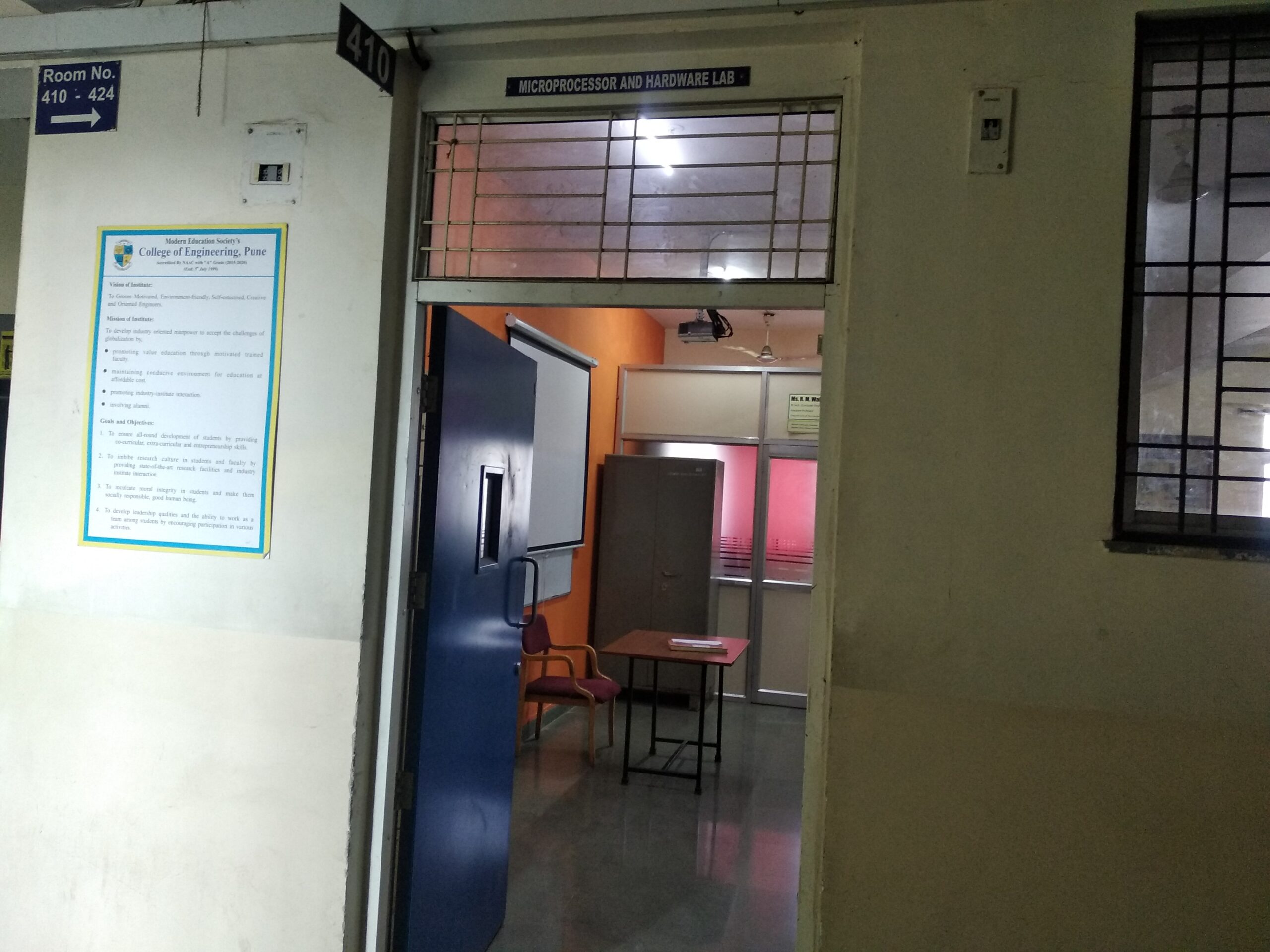
| 5 | Microprocessor and Hardware Lab (410) | 11 | Language Lab (405/518-A) | ||
| 6 | Computer Network Lab (412) | 12 | Computer Centre (518) |
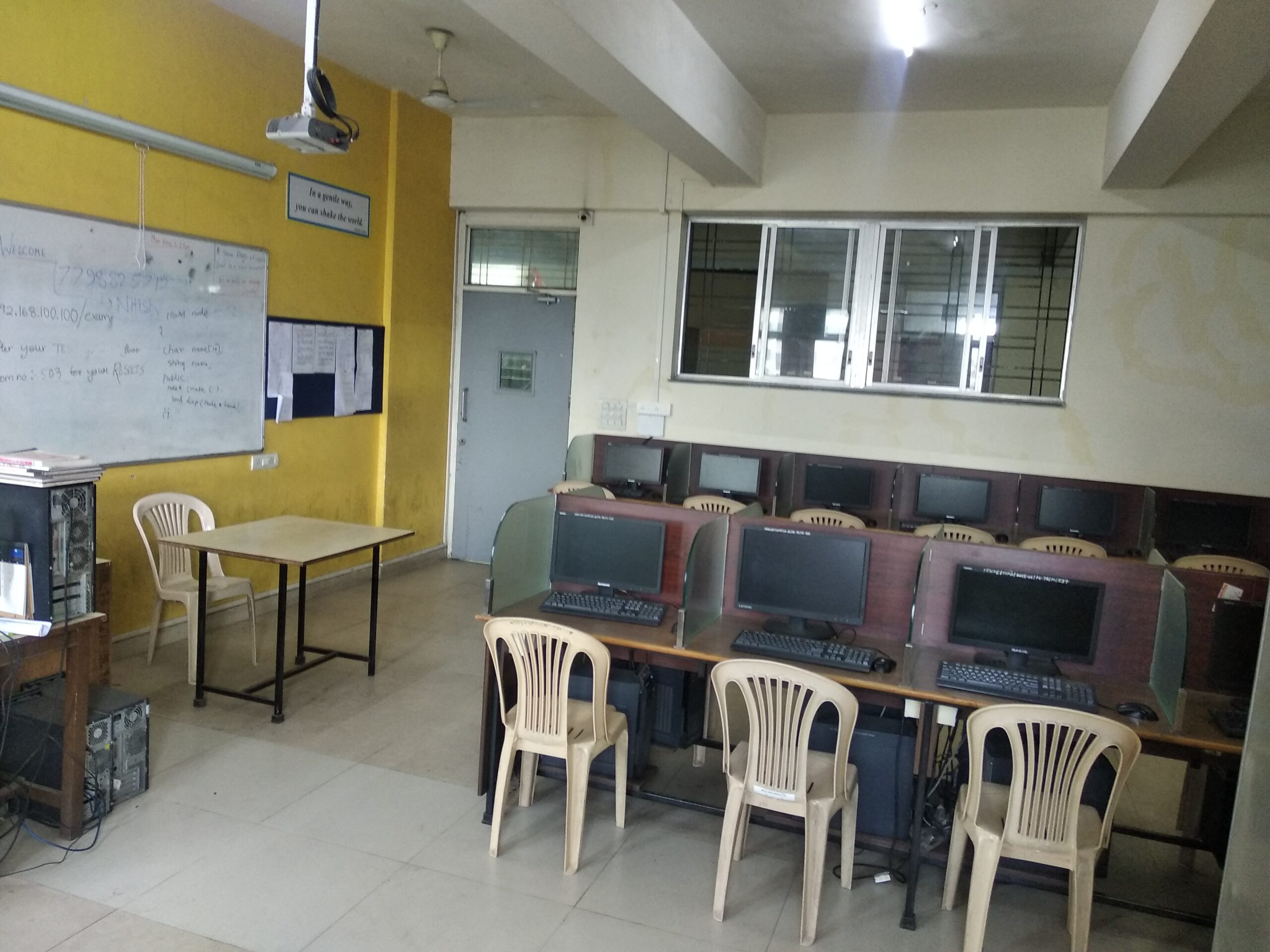
The laboratory is well equipped with high-end computer systems & peripherals. The licensed software installed in the laboratory includes Ubuntu 18.04, QT Creator, Open JDK 7.0, Eclipse, C/C++, Python, Flex, NASM, and LAMP. The laboratory is used to conduct lab work for S. E. Computer Engineering students for the assignments in DSPSL and PL where students implement and study assignments related to different real-time applications by using data structures like graphs, tree, stack, queue etc.
This lab (DSPS) offers students an opportunity to develop Programming Skills in Data Structure. As a part of PL, students learn and develop Computer Graphics, Gaming, Experiments based on computers etc.
Hardware: 25 computers with configuration as Lenovo Desktop V520 Series Intel® Core i7-7700 Processor, 1 TB HDD, 8 GB DDR3 RAM, Lenovo 19.5" Monitor, USB Keyboard & Mouse
Printers: 3 (HP LaserJet 1020 Plus) Switch: 1 (CISCO C2960X-24TS-IN) Server: 1 (Private Cloud Computing Server – 512 GB DDR4 RDIMM (8×64GB), 480 GB SSD ×2, 2.3 TB SAS 10K RPM ×2) Projector: 1 (VIEWSONIC PJD5353LS) Network Rack: 1 (Valrack Network Rack)
Air Conditioners: 2 Software Installed: Ubuntu 22.0, QT Creator, Open JDK 7.0, Eclipse, C/C++, Python, Flex, NASM, LAMP
Name of Lab In-charge: Dr.(Mrs.) J. R.Pansare & Mr.D.R.Raut
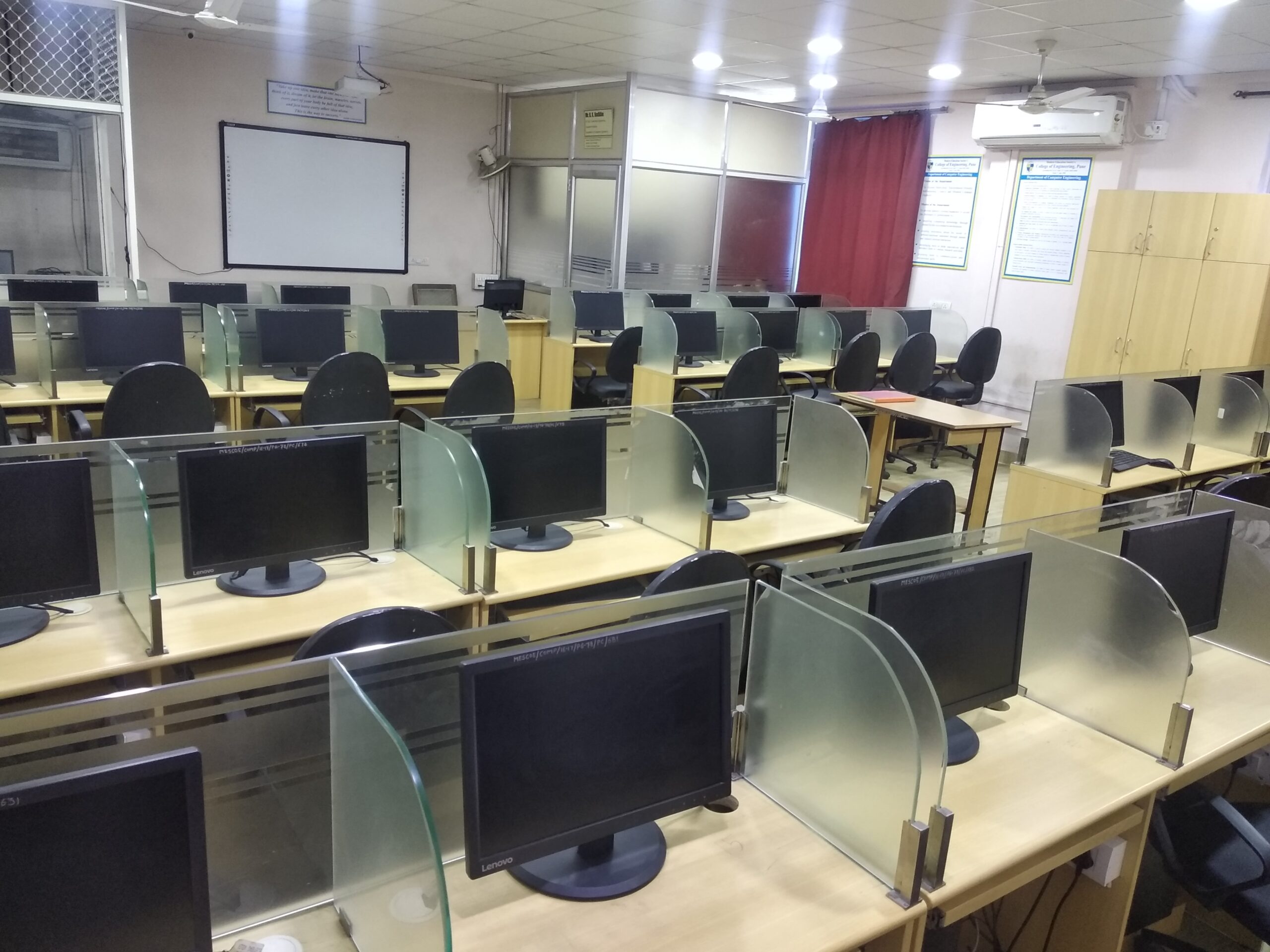
The laboratory is a cutting-edge facility equipped with the PARAM SHAVAK Supercomputer and high-performance computing systems to support advanced research and academic excellence. It provides a robust environment with industry-relevant software such as Linux Ubuntu, MongoDB, and Java. The lab caters to practical sessions and project development for B.E. and M.E. Computer Engineering students. With its powerful infrastructure, the laboratory fosters innovation, research capabilities, and hands-on learning in high-performance and data-intensive computing domains.
Major Equipment: PARAM SHAVAK, Dual Socket Intel Haswell-based CPU with 12 cores each with 2.3 GHz, 64 GB RAM, Keyboard, Mouse and 19” TFT Monitor.
Hardware: 32 computers with configuration as Lenovo 5510 Series Desktop, Lenovo Desktop V520 i7 7700 Processor, and Lenovo Desktop E73 ThinkCentre, Aver Document Camera: AVer Vision F17HD+, Interactive White Board, Optoma: Short Throw Multimedia DLP Projector.
Printers: 3 Printer HP LaserJet 1020 Plus Switch: Huawei Switch 24 Port.
Software Installed: Ubuntu 22.0, Eclipse, JAVA, MySQL, MongoDB, C, C++, Python, Hadoop, PL/SQL, NetBeans, R Studio, Supercomputing Software.
Name of Lab In-charge: Prof B. K. Bodkhe / Ms. S. M. Shinde
The Digital Electronics Laboratory (DEL) is a well-equipped facility with advanced computer systems supporting S.E. and B.E. Computer Engineering students. It enables practical learning for subjects like DEL, OOPL, and LP-II. Students design and implement combinational and sequential circuits using VHDL, develop strong object-oriented programming skills, and gain hands-on experience with automated testing tools such as JUnit and Selenium. The lab also introduces data mining techniques and algorithms, ensuring industry-oriented practical exposure.
Hardware: 25 Computers with configuration as Lenovo 5510 Series Desktop, LCD 19.5” Monitor, i-7, 8GB RAM, 500 GB HDD, KB & Mouse
Printers: 2 HP LaserJet 1020 Plus Projector: 1 VIEWSONIC PJD5353LS Switch: 1 Huawei Switch Microprocessor Kit: 20 Digital Trainer Kit
Software Installed (25 Systems – Open Source – Amount ₹0): Ubuntu 22.0 ,Eclipse, C / C++,Python,Flex,NASM,Java
Name of Lab In-charge: Dr. S. P. Deore , Ms. R.H.Shende
The Project Laboratory is a well-established facility equipped with modern computing systems and licensed software to support academic and project-based learning. It serves S.E., B.E., and M.E. Computer Engineering students for practical sessions in Data Structure Laboratory (DSL) and Software Development Laboratory (SDL). Students strengthen their programming and problem-solving skills through hands-on work in C, C++, Java, Android, and advanced development technologies.
Hardware: 25 Computers with configuration as HP 280G9 SFF Desktop i5-13500 Processor, 16GB DDR4 RAM, 512GB SSD, Windows 11 Home, 19.5” Monitor, KB & Mouse
Printers: 2 HP LaserJet 1020 Plus Projector: 1 VIEWSONIC PJD5353LS Switch: 1 Huawei Switch
Software Installed :Ubuntu 22.0, Eclipse, C / C++,Python , MySQL, Java
Name of Lab In-charge: Dr. A.P.Kale
The laboratory is a modern, well-equipped facility designed to provide a strong foundation in both software and hardware domains of Computer Engineering. With contemporary computer systems and open-source software platforms, it creates a dynamic environment for practical learning and skill enhancement.
In the first semester, the lab supports T.E. students for DBMSL and SDL, along with DSL and OOPL practicals for S.E. students. Through the Skill Development Laboratory, students design and develop applications using Java and Android, strengthening their programming and application development expertise.
The laboratory also offers hands-on exposure to computer hardware and peripheral devices. In the second semester, it serves as a center for the Microprocessor Laboratory (MPL), where S.E. students perform practicals on 80386 microprocessors using Assembly language, gaining in-depth understanding of hardware–software interaction and system-level programmiThe laboratory also offers hands-on exposure to computer hardware and peripheral devices. In the second semester, it serves as a center for the Microprocessor Laboratory (MPL), where S.E. students perform practicals on 80386 microprocessors using Assembly language, gaining in-depth understanding of hardware–software interaction and system-level programming.ng.
Hardware: Lenovo 5510 Series Desktop, LCD 19.5” Monitor, i-7, 8GB RAM, 500 GB HDD, KB & Mouse
Printer: HP LaserJet 1020 Plus Projector: VIEWSONIC PJD5353LS Switch: Huawei Switch Microprocessor Kit: 8086 Microprocessor Kit Digital Oscilloscope Raspberry Pi 2 BeagleBone Black Kit
Software Installed: Ubuntu 22.0,MySQL / PL-SQL,C / C++,Java,Flex
Name of Lab In-charge: Dr.(Miss.) R.M.Wahul Mr. G.B.Aochar
The laboratory is a technologically advanced facility equipped with cutting-edge computing systems to support high-quality practical learning. It is enriched with licensed and industry-relevant software such as Linux Ubuntu, Fedora, Windows Professional, Visual Studio (Microsoft Campus Agreement), Microsoft Office, TASM/MASM, C/C++, JDK, and Android development tools, providing students with a comprehensive development environment.
A key highlight of the lab is its dedicated Storage Area Network (SAN) system, which ensures secure centralized storage and backup of student assignments. This enables students to upload their work after each practical session and access it seamlessly from any laboratory, promoting data reliability, flexibility, and efficient academic workflow.
Hardware: HP 280G9 SFF Desktop – i5 13500 Processor, 16GB DDR4 RAM, 512GB SSD, Windows 11 Home, 19.5” Monitor, KB & Mouse
Printer: HP LaserJet 1020 Plus Projector: VIEWSONIC PJD5353LS Switch: Huawei Switch Server: IBM X3650 M4 – Xeon E5-2620V2, 16GB RAM, 300GB × 2 HDD SAN Box: HS14 SAN Box – IBM SAS HDD 600GB × 4 Rack: VD 23 Rack 18U WQ with Standard Accessories Air Condition: Air Conditioner UPS: 2KVA UPS with 12V 42Ah Battery
Software Installed: Ubuntu 22.0,Eclipse,C / C++,Wireshark,Packet Tracer,NS2,LAMP,Java,MySQL,MongoDB,Hadoop,PL/SQL,NetBeans
Name of Lab In-charge:Dr. (Mrs.) S. R.Khonde,Ms. C. Y. Vakte
The Software Engineering Laboratory is a well-equipped facility designed to support advanced learning in software design, development, and database systems. The lab is enriched with licensed software including IBM Rational Suite Enterprise, providing students with professional tools for modeling and software engineering practices.
During the first semester, the laboratory facilitates practical sessions for Data Structure Lab (S.E.) and Database Management Systems Lab (T.E.). In the second semester, it is utilized for Lab Practice IV (B.E.), enabling students to work on advanced software development concepts and project-based learning.
Server System: IBM Lenovo A-16 P-IV, 1GB RAM, 80GB HDD Hardware: HP 280G9 SFF Desktop – i5 Processor, 16GB DDR4 RAM, 512GB SSD, Windows 11 Home, 19.5” Monitor, KB & Mouse Printer: HP LaserJet 1020 Plus Projector: VIEWSONIC PJD5353LS Switch: Huawei Switch Licensed Software: Rational Suite Enterprise
Software Installed: Ubuntu 22.0, MySQL / PL-SQL, C / C++, Wireshark ,NS2 ,Packet Tracer, CUDA,Java
Name of Lab In-charge: Mrs S. S. Raskar Miss. B.More
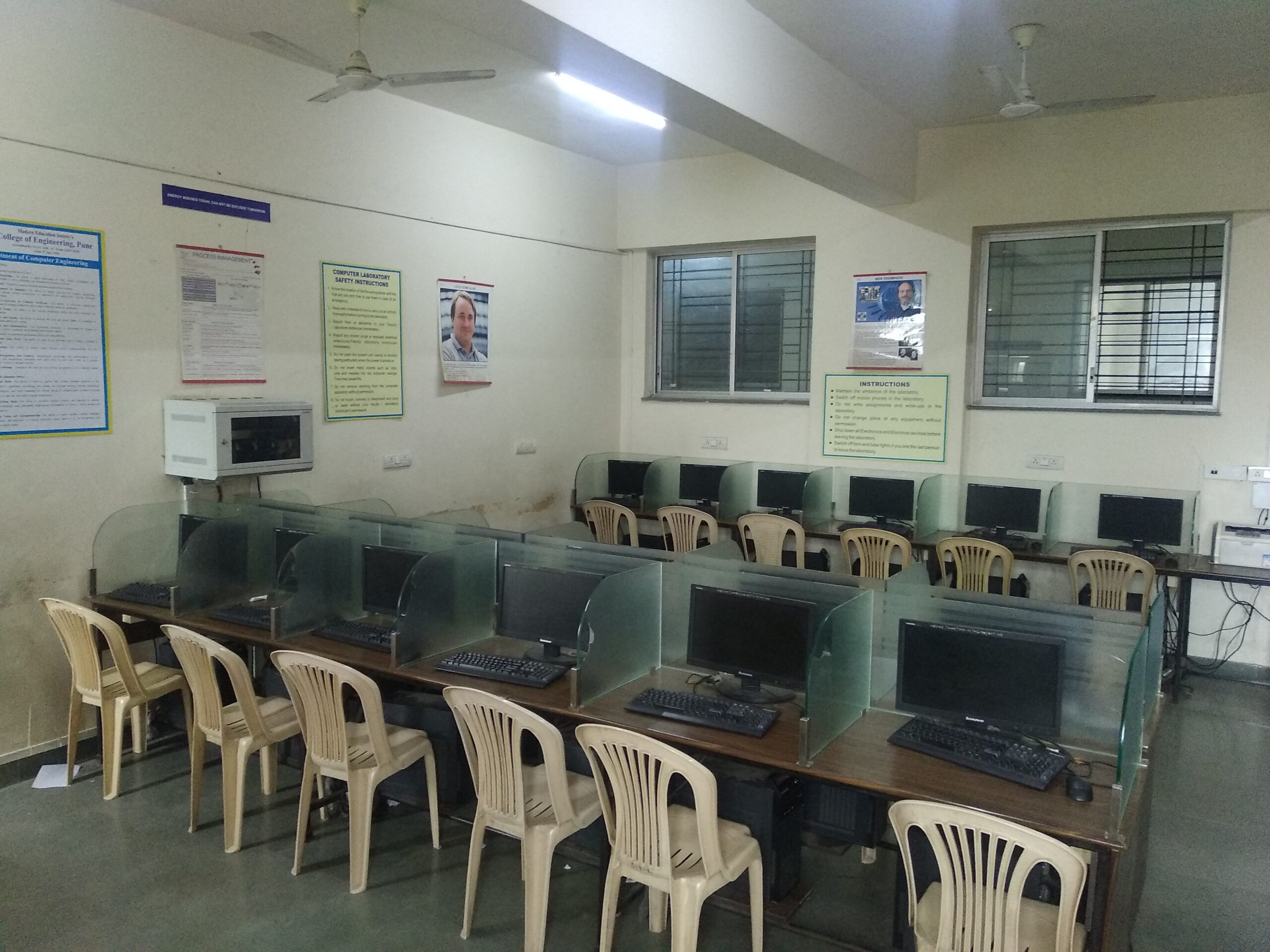
The Operating System–Linux Lab (414) is a modern, high-tech facility designed to provide strong practical exposure in system programming, databases, web technologies, and emerging computing domains. Equipped with advanced computing systems and open-source platforms such as Ubuntu, Eclipse, C/C++, Python, Java, MySQL, PL/SQL, and MongoDB, the lab creates a robust environment for hands-on learning and innovation.
In the first semester, the lab supports T.E. students for DBMSL and SDL, along with Lab Practice-II for B.E. students, where learners develop applications in Java and Android. LP-II complements elective courses such as Data Mining & Warehousing, Distributed Systems, and STQA.
During the second semester, the laboratory facilitates practical sessions for Embedded Systems & IoT (ESIOT), Web Technology (WT), and Lab Practice-III. Students design and implement low-cost embedded IoT systems using Raspberry Pi and IoT sensors, gaining real-world exposure to hardware–software integration.
Hardware: HP 280G9 SFF Desktop – i5 Processor, 16GB DDR4 RAM, 512GB SSD, Windows 11 Home, 19.5” Monitor, KB & Mouse Printer: HP LaserJet 1020 Plus Projector: VIEWSONIC PJD5353LS Switch: Huawei Switch Microprocessor / IoT Kits: Raspberry Pi 3 (IoT) with Peripheral Devices Raspberry Pi 4 Model-B with 8GB RAM
Software Installed:Ubuntu 22.0,Eclipse,C / C++ ,Python,Java,MySQL,PL/SQL
Name of Lab In-charge: Dr. (Mrs.) S. K. Wagh, Mrs.V. D. Gaikwad
The laboratory is equipped with modern high-performance computing systems and essential infrastructure to support advanced research and postgraduate studies. Open-source platforms such as Ubuntu, Eclipse, C/C++, CUDA, Flex, NASM, LAMP, Java, MySQL, Oracle-PLSQL, and MongoDB provide a comprehensive environment for development, analytics, and high-end computational work.
In the first semester, the lab supports M.E. students for Lab Practice-I and B.E. students for LP-I and LP-II. Students design algorithmic solutions for distributed architectures using Hadoop, develop digital library infrastructures, explore theoretical computing concepts such as Turing Machines and NP-Hard analysis, and work on domains including High-Performance Computing, AI & Robotics, and Data Analytics. Laboratory Practice-II complements elective courses with advanced implementation-based learning.
During the second semester, the lab facilitates Lab Practice-II for M.E. students and LP-III & LP-IV for B.E. students, strengthening research aptitude and project-oriented skills.
Hardware: Lenovo i7 5510 Series Desktop, LCD 19.5” Monitor, 20GB RAM, 500GB HDD, KB & Mouse, 2GB GForce Graphics Card Printer: HP LaserJet 1020 Plus Projector: VIEWSONIC PJD5353LS Switch: Huawei Switch Software Installed: Ubuntu 22.0,Eclipse ,C / C++ ,CUDA ,Flex, NASM,LAMP,Java,MySQL,PL/SQL
Name of Lab In-charge: A. D. Dhawale,Ms. S. A. Sapkal
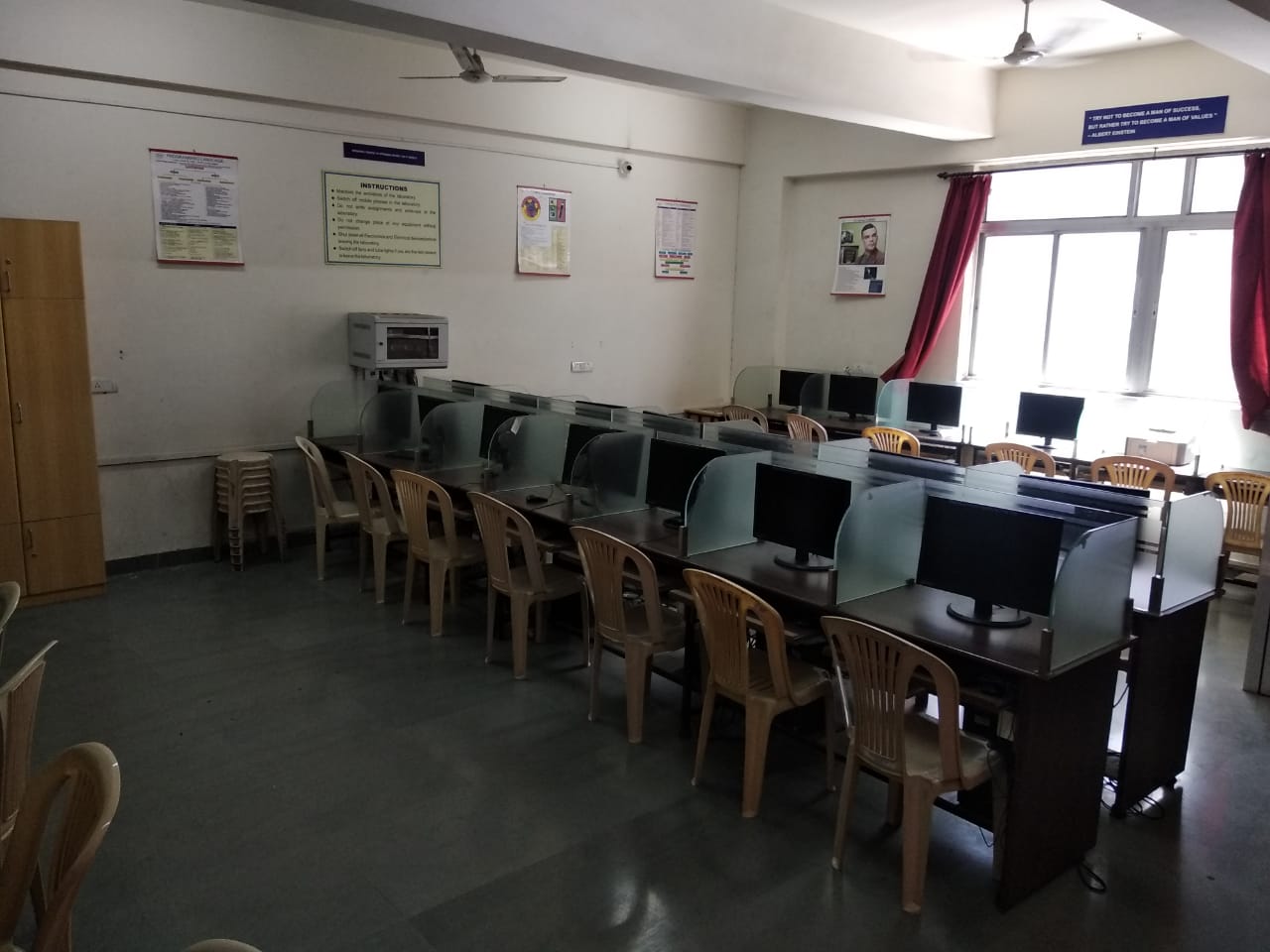
The laboratory is a modern facility equipped with cutting-edge computing systems and essential peripherals to support foundational programming education. It is enriched with licensed and open-source software such as Ubuntu, C/C++, Open JDK, Eclipse, QT Creator, Python, and LAMP, providing a comprehensive environment for learning and development.
During the first semester, the lab is primarily utilized by First-Year Engineering students for the Fundamentals of Programming Lab (FPL). Students gain hands-on experience in C, C++, Java, Python, and Android programming, building a strong base in logical thinking and problem-solving. In the second semester, the laboratory continues to support practical sessions across various engineering domains.
Hardware: Lenovo Desktop V520 Series – Intel® Core i7-7700 Processor, 8GB DDR3 RAM, 1TB HDD, Lenovo 19.5” Monitor, USB Keyboard & Mouse Printer: HP LaserJet 1020 Plus Switch: Huawei Switch
Software Installed: Ubuntu 22.0, QT Creator, Open JDK 7.0, Eclipse, C / C++,Python, Flex,NASM,LAMP
Name of Lab In-charge: Dr. G. S. Pole ,Mrs. S. T. Chavan
The Computer Center is equipped with advanced computing infrastructure to support academic, research, and administrative activities. It provides a reliable and high-performance environment for programming, database management, networking, and data analytics applications
Server: IBM X3400M Tower Server – 16GB RAM, 2 × 500GB HDD Computers: PC Lenovo Desktop – i7 Processor, 8GB RAM, 500GB HDD, 18.5” LCD Monitor, USB Keyboard & Mouse, 2GB GForce Graphics Card Printer: HP LJ 1020 Laser Printer Projector: SONY VPL-DX240 Switch: CISCO 24-Port Switch
Name of Lab In-charge: Dr. (Mrs.) S. P. Khedkar , Mrs. A. K. Sandbhor, Mr. S. A. Sopal
The AR & VR Laboratory is a state-of-the-art facility designed to support immersive technology development, 3D simulation, gaming, visualization, and research in Augmented and Virtual Reality. The lab is equipped with high-performance computing systems and advanced AR/VR devices to provide students with hands-on experience in real-time rendering, interactive design, and immersive application development.
1. High-Performance Workstations: AMD Ryzen 7 Processor, 16GB RAM, 1TB SSD, RTX 3060Ti (8GB) Graphics, MSI 22" Monitor, USB Keyboard & Mouse AMD Ryzen 7 Processor, 16GB RAM, 1TB SSD, RTX 4060 Ti (8GB) Graphics, MSI 22" Monitor, USB Keyboard & Mouse Intel Core i7 (14th Gen), 32GB DDR5 RAM, 1TB SSD, NVIDIA RTX 5070 Twin X2 GPU, Samsung 22" Monitor, Logitech Wireless Keyboard & Mouse
2. Projector: EPSON EB905
3. Networking: Huawei Switch
4. AR & VR Devices: HTC Vive Focus 3 Meta Quest 2 (256GB) – All-in-One VR Headset Apple iPad Pro (M1 Chip, 128GB) Samsung Galaxy FE (4GB RAM, 64GB ROM) Microsoft HoloLens Developer Edition
Lab In-Charges: Dr. (Mrs.) N. F. Shaikh,Mr. Sagar B. Shinde
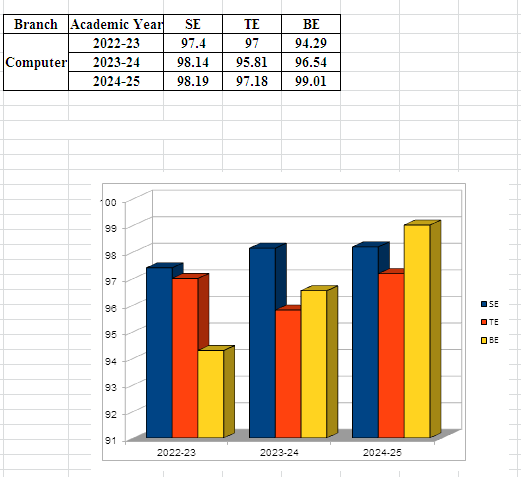
| Sr. No. | Year | Name of Student | Percentage (%) / CGPA |
|---|---|---|---|
| 1 | 2025 | Kumawat Sunil Nemichand | 9.46 (CGPA) |
| 2 | 2024 | SHRADHA S. PASHILKAR | 9.59 (CGPA) |
| 3 | 2023 | Yewale Shreyash Atmaram | 9.07 (CGPA) |
| 4 | 2022 | Nikhil Giramkar Sharad | 9.85 (CGPA) |
| 5 | 2021 | Lulla Gurusha | 9.61 (CGPA) |
| 6 | 2020 | Raut Satyapriya | 9.46 (CGPA) |
| 7 | 2019 | Bagwan Tanaz | 9.17 (CGPA) |
| 8 | 2018 | Shaikh Amina Abdulla | 81. 93 % |
| 9 | 2017 | Ajinkya Kunjir | 80.67 % |
| 10 | 2016 | Kiran Chadrasekaran | 78.33 % |
| 11 | 2015 | Shahenaz Shaikh | 74.27 % |
| 12 | 2014 | Gayatri Kulkarni | 76.13 % |
| 13 | 2013 | Shaikh Zainab Iqbal | 74.04 % |
| 14 | 2012 | Reshma Raju | 77.07 % |
| 15 | 2011 | Ketki Navale | 75.86 % |
| 16 | 2010 | Potnis Sourabh | 73.67 % |
| 17 | 2009 | Vrushali Ranaware | 76.00 % |
| 18 | 2008 | Gulati Sadhna | 74.60 % |
| 19 | 2007 | Vijeesh Rajagopalan | 74. 46 % |
| 20 | 2006 | Shetty Soumya | 74.33 % |
| 21 | 2005 | Priya Iyer | 74.33 % |
| 22 | 2004 | Parikh Punit | 72.00 % |
| 23 | 2003 | Sukhthankar Vikram | 70.86 % |
Collaboration Period : From 09/07/2017 to Lifetime
Highlights-
Collaboration Period : From 03/12/2020 to Not Specified
Highlights-
Collaboration Period : From 15/12/2020 to Not Specified
Highlights-
Collaboration Period : From 03/12/2020 to Not Specified
Highlights-
21/02/2024 to Lifetime
Highlights-
04/09/2024 to Lifetime
Highlights-
27/09/2024 to Lifetime
Highlights-
13/01/2025 to Lifetime
Highlights-
10/12/2025 to 10/12/2028
Highlights-
| Sr. No | Name of the Faculty | Patent /Copyright Details | Patent/Copyright Number and Date of Publish |
|---|---|---|---|
| 2025-26 | Dr. Revati. M. Wahul | Edge AI Device Managing Urban Traffic And Pollution In Real - Time | 10/02/2026 |
| 2025-26 | Dr. Archana P. Kale | Edge AI Device Managing Urban Traffic And Pollution In Real - Time | 10/02/2026 |
| 2025-26 | Dr. Shraddha R. Khonde | CROP ANALYSIS PORTABLE DEVICE | 24/12/20224/12/202524/12/20255 |
| 2025-26 | Ms. Chanchal. Y. Vakte | CROP ANALYSIS PORTABLE DEVICE | 24/12/2025 |
| 2025-26 | Ms. Geetanjali P. Rokade | IoT- Enabled Gesture and Voice Controlled Omnidirectional Wheelchair | 29/08/2025 |
| 2025-26 | Ms. Geetanjali P. Rokade | EduLens:An Agumented Reality Framework for Intensive and Immersive Higher Education Learning Environment | 30/05/2035 |
| 2025-26 | Ms. Geetanjali P. Rokade | Sentiment Analysis for YouTube Comments Using AI with Visual Dashboard | 28/11/2025 |
| 2025-26 | Ms. Geetanjali P. Rokade | Federated Learning Based Privacy Preservation Intrusion Detection Using Blockchain Technology | 18/07/2025 |
| 2025-26 | Mrs. Jayshri A. Kalbhor | Sentiment Analysis for YouTube Comments Using AI with Visual Dashboard | 28/11/2025 |
| 2024-25 | Dr. Jayhsree R. Pansare | Electric Cycle Battery Container with PCM | 15.10.2024 |
| 2023-24 | Dr. (Miss) R. M. Wahul | Smart plastic waste management device International Design Classification | Design number: 6306753 |
| Dr. (Mrs.) A. P. Kale | Smart plastic waste management device International Design Classification | Design number: 6306753 | |
| Dr. N. F. Shaikh | Multilingual Sarcasm Detection Device | "Application Number: 407517-001 Journal No.:15/2024 Patent Granted" | |
| Dr. N. F. Shaikh | Prediction of Vehicle Based Carbon Emission for Smart Fuel Mechanism Based on Learning Techniques | "202321042858 Patent published" | |
| Prof. P. S. Randive | Design Patent Registered, Title - “AIR QUALITY DETECTING SMART WINDOW PARTITION”. | Application Number: 3870200-001 Cbr Number: 206648 Journal No. 31/2023 | |
| Prof. C. Y. Vakte | Design Patent Registered, Title - “AIR QUALITY DETECTING SMART WINDOW PARTITION”. | Application Number: 3870200-001 Cbr Number: 206648 Journal No. 31/2023 | |
| Prof. A. A. Shahbad | Design Patent Registered, Title - “AIR QUALITY DETECTING SMART WINDOW PARTITION”. | Application Number: 3870200-001 Cbr Number: 206648 Journal No. 31/2023 | |
| Dr. J. R. Pansare | CONTROL ENVIRONMENT CHAMBER FOR BATTERY PACK TESTING | Design No. 411412-001 | |
| Dr. J. R. Pansare | "ELECTRIC CYCLE BATTERY CONTAINER WITH PCM COOLING" | Design No. 403527-001 | |
| Dr. N. F. Shaikh | IoT Enabled Device for Forecasting of Vehicle Based Carbon Emission | "L-146520/2024 Copyright" | |
| Dr. N. F. Shaikh | "Dataset Collection for Smart Automation System for Calculating the Vehicular Carbon Emission Using CariQ Gadget" | "L-147715/2024 Copyright" | |
| Dr. N. F. Shaikh | Dataset of Smart IoT Device for Forecasting of Vehicle Based Carbon Emissions | "L-147973/2024 Copyright" | |
| 2022-23 | Dr. Sharmila Kishor Wagh | "SECURE ANOMALY BASED EFFICIENT REAL TIME DISTRIBUTED INTRUSION DETECTION SYSTEM (SABER-DIDS)" | Application No. 201621016976 Patent Publication Number / Patent Granted Number 411387 |
| Mrs. Shobha S. Raskar | BLOCKCHAIN BASED AADHAAR SECURITY TO USER AUTHENTICATION FOR VARIOUS SECTORS. | Application No. 202221028163 Patent Publication Number / Patent Granted Number 24/2022 | |
| Dr. Shalaka Prasad Deore | BLOCKCHAIN BASED AADHAAR SECURITY TO USER AUTHENTICATION FOR VARIOUS SECTORS. | Application No. 202221028163 Patent Publication Number / Patent Granted Number 24/2022 | |
| Mr. Yashwant SudhMr. Yashwant Sudhakar Ingleakar Ingle | BLOCKCHAIN BASED AADHAAR SECURITY TO USER AUTHENTICATION FOR VARIOUS SECTORS. | Application No. 202221028163 Patent Publication Number / Patent Granted Number 24/2022 | |
| Dr. Nuzhat F. Shaikh | BLOCKCHAIN BASED AADHAAR SECURITY TO USER AUTHENTICATION FOR VARIOUS SECTORS. | Application No. 202221028163 Patent Publication Number / Patent Granted Number 24/2022 | |
| Dr. Shraddha Rahul Khonde | Email Spam and Malware Filtering using Deep Learning and AI | 202221031257 Patent No. 25/2022 | |
| Yashwant Sudhakar Ingle | Email Spam and Malware Filtering using Deep Learning and AI | 202221031257 Patent No. 25/2022 | |
| 2021-22 | 1. Mr.Yashwant Sudhakar Ingle 2. Dr.(Mrs.) Nuzhat Faiz Shaikh | Mobile communication prank calls avoidance by prefixes and number formats | 202121023739 Patent No. 27/2021 |
| 1. Dr.(Mrs.) Nuzhat Faiz Shaikh 2. Mr.Yashwant Sudhakar Ingle | E-authentication system using combination of QR code and OTP for enhanced system | 202121033745 Patent No. 34/2021 | |
| 1. Dr.(Mrs.) Nuzhat Faiz Shaikh 2. Mr.Yashwant Sudhakar Ingle | Android battery saver system:An alarm telling user to stop or close the apps that are drawing power using AI based programming | 202121033747 Patent No. 34/2021 | |
| 1. Dr.(Mrs.) Nuzhat Faiz Shaikh 2. Mr.Yashwant Sudhakar Ingle | I- Health care: Technologies toward 5G Network for intelligent healthcare using IOT Notifications with Machine learning programming | 202121033752 Patent No. 34/2021 | |
| Dr. A. P. Kale | NLP Based Intelligent Virtual Assistant System | 202121035173 Patent No. 42/2021 | |
| Mr. Gajanan Baburao Aochar | NLP Based Intelligent Virtual Assistant System | 202121035173 Patent No. 42/2021 | |
| Dr. (Mrs.) Nuzhat Faiz Shaikh | NLP Based Intelligent Virtual Assistant System | 202121035173 Patent No. 42/2021 | |
| Dr. (Miss) Revati Machhindra Wahul | NLP Based Intelligent Virtual Assistant System | 202121035173 Patent No. 42/2021 | |
| Mr. Yashwant Sudhakar Ingle | NLP Based Intelligent Virtual Assistant System | 202121035173 Patent No. 42/2021 | |
| Dr.Revati Machhindra Wahul | UV sanitization device using data analysis and data visualization | 202121044930 Patent No. 48/2021 | |
| Dr. (Mrs.) Nuzhat Faiz Shaikh | UV sanitization device using data analysis and data visualization | 202121044930 Patent No. 48/2021 | |
| Dr. (Mrs.) Archana Pritam Kale | UV sanitization device using data analysis and data visualization | 202121044930 Patent No. 48/2021 | |
| Mr. Yashwant Sudhakar Ingle | UV sanitization device using data analysis and data visualization | 202121044930 Patent No. 48/2021 | |
| Mr. Balaji Kisan Bodkhe | UV sanitization device using data analysis and data visualization | 202121044930 Patent No. 48/2021 | |
| Dr. (Mrs). N. F. Shaikh | Copyright BE Project Workbook | 13604/2016-CO/L | |
| Dr. (Mrs). N. F. Shaikh | Copyright Software Copyright for "Attainment Calculation Software for Outcome Based Education for Practical Subjects" | Diary no. 3923/2020-CO/SW | |
| Dr. (Mrs). N. F. Shaikh | Copyright Software Copyright for “Individual Attendance Calculation software for Lecture series for MS Teams and Microsoft forms users” | Diary No:14364/2021-CO/SW, Date of filing :30/06/2021 | |
| Dr. (Mrs). S. K. Wagh | Patent- Secure anomaly based efficient real time distributed intrusion detection system | 2016021016976A | |
| Dr. (Mrs). J. R. Pansare | Copyright Development of Training Dataset for Devnagari Sign Language (DSL) Alphabets. | Diary Number : 6226 / 2019 – CO / L Date of Filing : 24 / 04 / 2019 | |
| Dr. (Mrs). J. R. Pansare | Copyright Development of Training Dataset for American Sign Language (ASL) Alphabets. | Diary Number : 6225 / 2019 – CO / L Date of Filing : 24 / 04 / 2019 | |
| Dr. (Mrs). J. R. Pansare | Copyright Novel Algorithmic Approach applied in Devnagari Sign Language Recognizer | Diary Number : 6224 / 2019 – CO / L Date of Filing : 24 / 04 / 2019 | |
| Dr. (Mrs). J. R. Pansare | Copyright Novel Approach for Brain Magnetic Resonance Imaging (MRI) Segmentation for Tumour Detection. | Diary Number : 6532 / 2019 – CO / L Date of Filing : 24 / 04 / 2019 | |
| Dr. (Mrs). J. R. Pansare | Copyright Dynamic Optimized Security Access Control Kernel. | Diary Number : 6873 / 2019 – CO / L Date of Filing : 06 / 05 / 2019 | |
| Dr. (Mrs). J. R. Pansare | Copyright Image Steganography for Optimizing Communication. | Diary Number : 6980 / 2019 – CO / L Date of Filing : 07 / 05 / 2019 | |
| Dr. (Mrs). J. R. Pansare | Copyright Optimizing Connectivity in Rural Area ATM’s. | Diary Number : 6979 / 2019 – CO /L Date of Filing : 07 / 05 / 2019 | |
| Dr. (Mrs). J. R. Pansare | Copyright Emotion-based Frequency Centric Purifire System. | Diary Number : 11293/ 2019-CO/ L Date of Filing : 18 / 07 / 2019 | |
| Dr. (Mrs). J. R. Pansare | Copyright Micro-plastic Water Purifier System. | Diary Number : 11290 / 2019 – CO/L Date of Filing : 18 / 07 / 2019 | |
| Dr. (Mrs). J. R. Pansare | Patent Title of the Invention: System and Method for Recognizing Hand Gesture. Approach: Single Hand Two Cameras Sign Languages. | Date of Filing : 26 / 04 / 2019 Application No : 201921016789A Publication Date : 07 / 06 / 2019 | |
| Dr. (Mrs). J. R. Pansare | Patent Title of the Invention: System and Method for Recognizing Hand Gestures of a Sign Language. Approach: Single Hand Single Cameras for DSL Alphabet along with Diversified Sign Languages. | Date of Filing : 07 / 05 / 2019 Application No : 20192108267 Publication Date : 07 / 06 / 2019 | |
| Dr. (Mrs). J. R. Pansare | Patent Title of the Invention : System and Method For Protecting Digital Images Approach : Adaptive Watermarking System Examination Report: Received Patent Granting: Under Process | Date of Filing : 18 / 06 / 2020 Application No : 202021025628 Published on : 24/ 07/ 2020 | |
| Dr. (Mrs). J. R. Pansare | Patent Title of the Invention : Dynamic Optimized Security Access Control Kernel Approach : Kernel Level Malware Detection Examination Report: Received Patent Granting: Patent Granted | Date of Filing : 16 / 06 / 2020 Application No : 202021025314 Published on : 24/ 07/ 2020 | |
| Dr. (Mrs). J. R. Pansare | Patent Title of the Invention : System and Method For Optimizing Security Scan Approach : Optimizing Security Scan Published on : 31/ 07/ 2020 Examination Report: Received Patent Granting: Under Process | Date of Filing : 06/ 07/ 2020 Application No : 202021028728 | |
| Ms. D. D. Ahir | Ms. D. D. Ahir Copyright of Computer Software for “Attendance Calculation utility” which calculates the attendance, percentage of attendance, min & max of the attendance percentage, and calculates bar chart from the input excel sheet. | Diary No:14766/2021-CO/SW, Date of filing :03/07/2021 | |
| Mr. Y. S. Ingle | Copyright: Title of the work: Attainment calculation software for outcome based education for practical subjects | Diary Number : 3923/2020-CO/SW Date of Filing : 02/03/2020 Registration Number:SW-14127/2021 | |
| Mr. Y. S. Ingle | Copyright: Title of the work: Attainment calculation software for outcome based education | Diary Number : 3881/2020-CO/SW Date of Filing : 02/03/2020 |

12 th National Conference on "Recent Advances in Computer Engineering" [RACE-2025] In Association with “CSI Pune Chapter "on 04th and 05th April 2025 Organized by Department of Computer Engineering, Modern Education Society’s Wadia College of Engineering, Pune."

 "
"
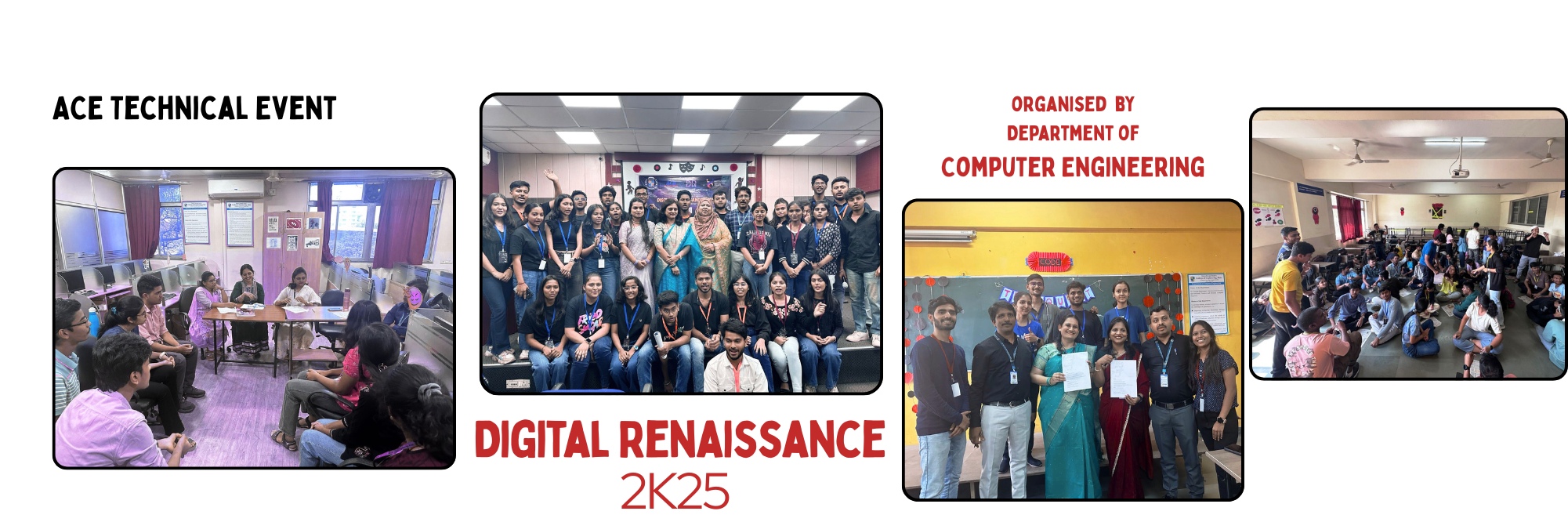
Annual Inter-collegiate Technical Event "Digital Renaissance 2025",Organised by the ACE - Department of Computer Engineering"
Date :4th Feb 2025"
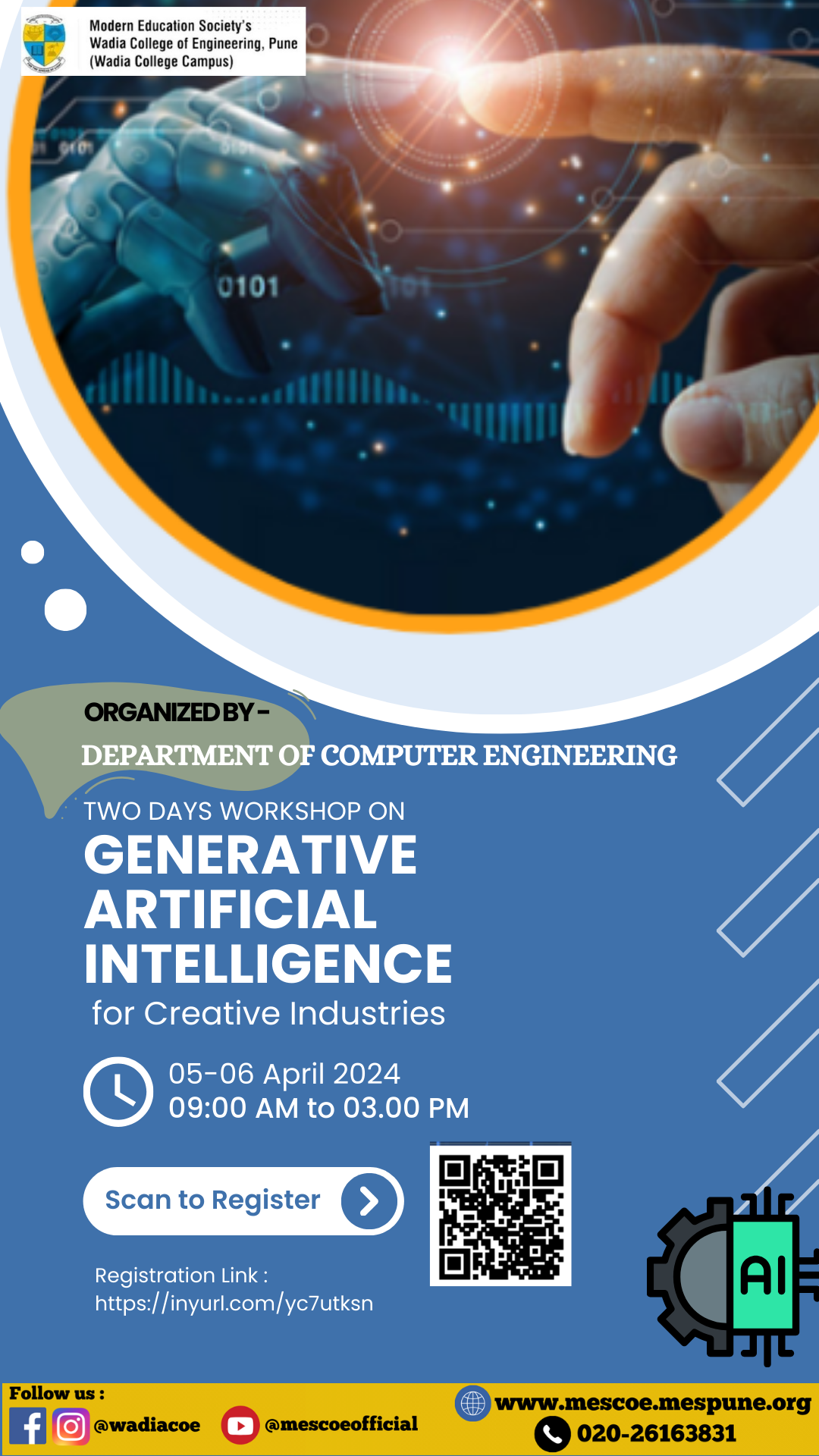
Day 1 Introduction to AI and Machine Learning Introduction to NLP Introduction to Neural networks Day 2 Introduction to Generative AI Generative Adversarial Networks (GANs) Variational Autoencoders (VAEs) Practical Applications of Generative AI
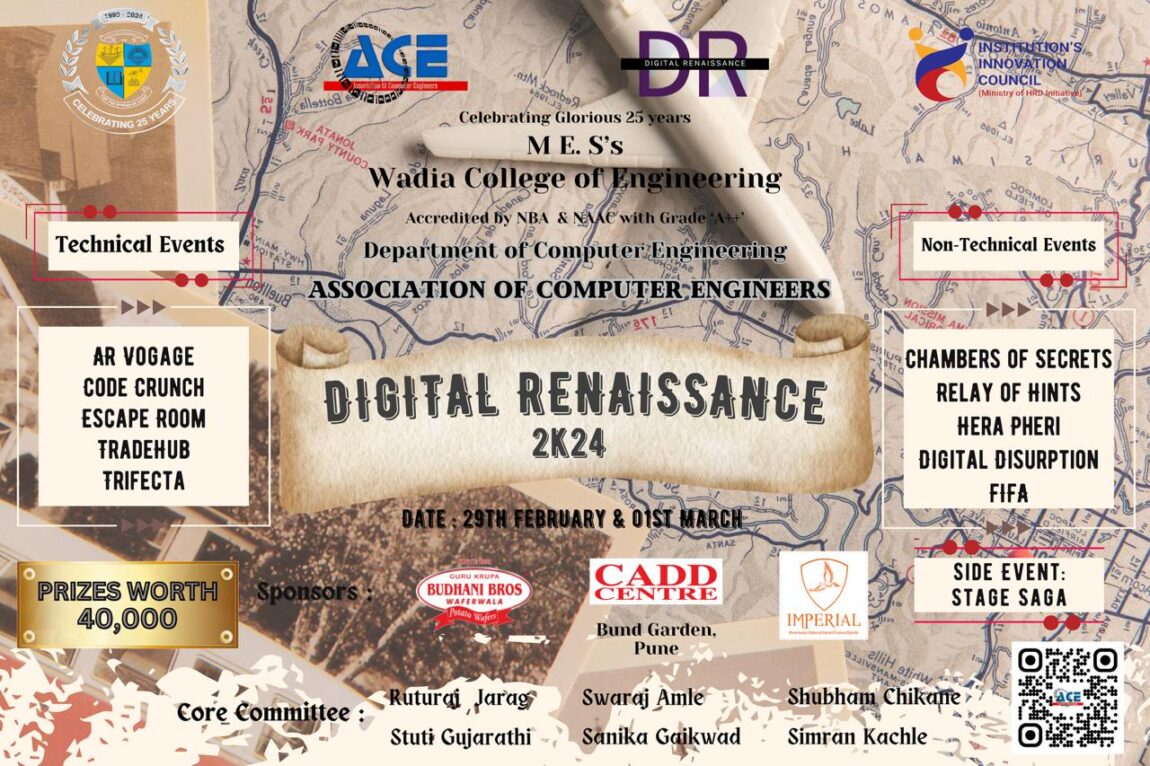
Presented by the Association of Computer Engineers, we cordially invite you to witness the pinnacle of digital innovation: "𝐃𝐈𝐆𝐈𝐓𝐀𝐋 𝐑𝐄𝐍𝐀𝐈𝐒𝐒𝐀𝐍𝐂𝐄 𝟐𝐤𝟐4" on 29th February and 1st March 2024. 🏰✨
Indulge your intellect and competitive spirit with our captivating array of Technical Events and thrilling Non-technical Events including: 1. Escape Room 2. CodeCrunch 3. Digital Disruption 4. TradeHub 5. Trifecta 6. Hera Pheri 7. Relay of Hints 8. Chamber of Secrets 9. AR Voyage 10. FIFA 2k24
And that's not all! Immerse yourself in the enchanting ambiance of our Side-Event: *Stage Saga*💥 Registration Link :http://surl.li/qytve Join Us for a Celebration! 🎉 📣 Register Now! ⏳ 🏆 Showcase Your Skills & Win Prizes! 🏅 For any queries: Ruturaj Jarag: 70663 57474 Stuti Gujarathi: 7066787288
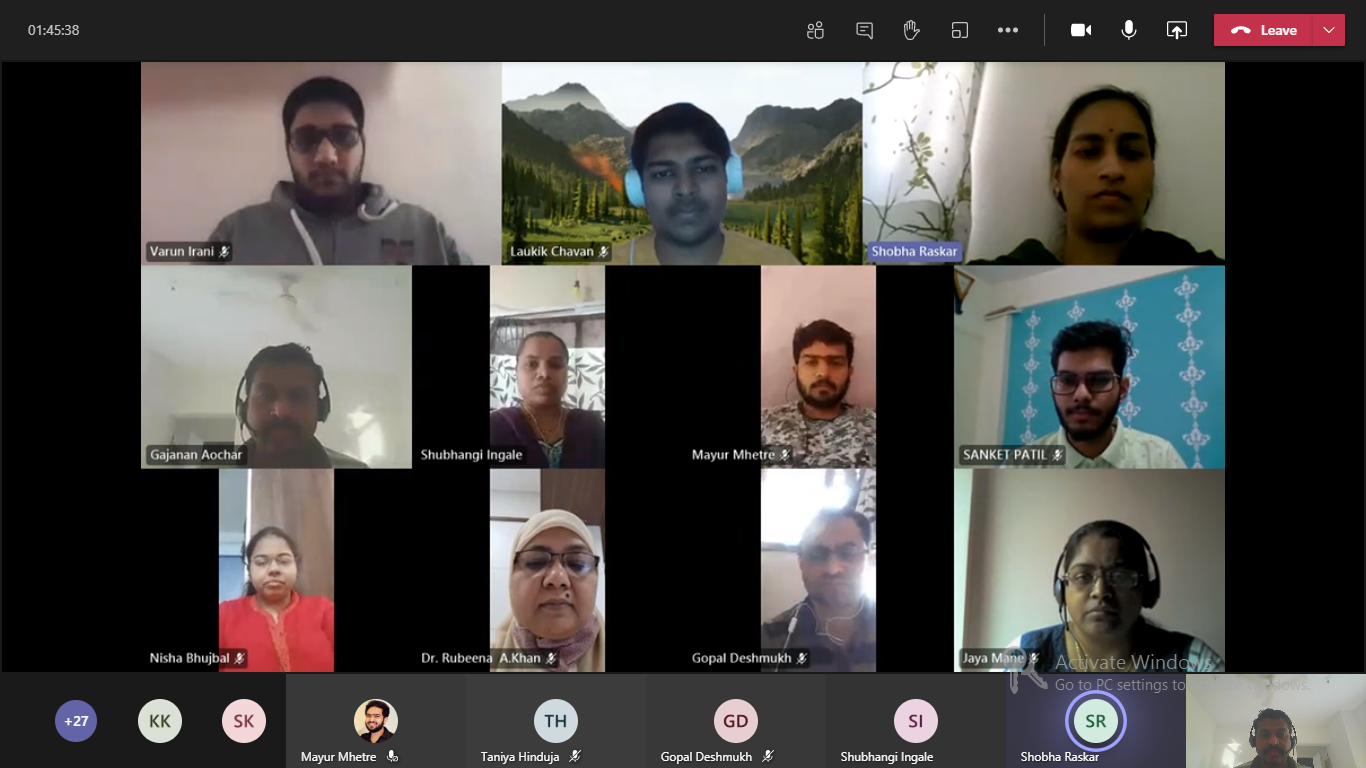
Speaker: Ms. Shubhangi Ingale Designation: Asst. Prof., Computer Engineering Dept., MESCOE Pune Date: 12th Dec 2020 Venue: Online Mode (MS Team) Total No. of Participants: 51, TE Student of Computer Objectives: To educate students about the use of LaTeX and to motivate them for using the LaTeX as a documentation tool. Outcomes: Students will be able to apply LaTeX as a documentation tool. PEOs satisfied and POs achieved: PEO: 3,5 PO: 5
Activity Report : Online Workshop on LaTeX was successfully organized on 12th Dec 2020 by the Computer Engineering Department, MESCOE, which witnessed an enthusiastic response and participation of TE Computer students. The session was conducted by Ms. Shubhangi Ingale Asst. Prof., Computer Engineering Dept., MESCOE Pune. She is an expert in LaTeX and covered the following contents during the session:
• Report generation using LaTeX • All functionalities provided by LaTeX • Provided template to students
It was an informative session for TE students which helped them gain theoretical as well as practical knowledge of the tool. The workshop was helpful for students as they need to do all academic-related documentation in LaTeX. A good interaction and brainstorming occurred between students and the speaker during the workshop. All basic and necessary points were covered by the speaker. Students were motivated and enlightened to use LaTeX for their documentation purpose. The session was very beneficial for TE computer students and it will definitely help them to do their documentation work.
The schedule of the session was as follows: • Participant joining session• Welcome Speech, Inaugural ceremony and Introduction of the speaker by Taniya Hinduja (TE Student) • Session by Speaker-Ms. Shubhangi Ingale • Question Answer session • Vote of Thanks by Mrs. Jaya Mane, dept. workshop and FDP committee member.
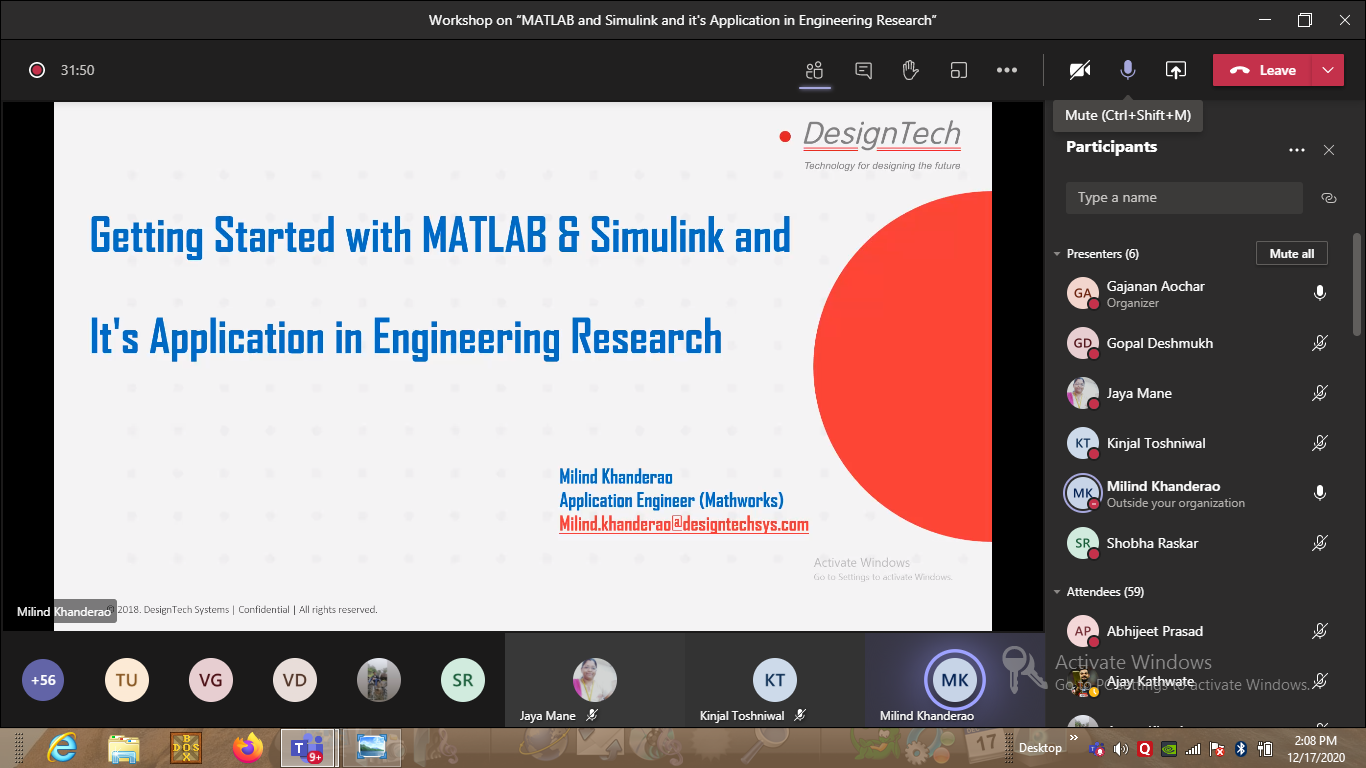
Speaker: Mr. Milind Khanderao Application Engineer, DesignTech System Pvt. Ltd. Date: 17th Dec 2020 Venue: Online Mode (MS Team) Total No. of Participants: 75 SE Student of Computer Engineering
Objectives: To educate students about the use of MATLAB and Simulink and to motivate them for using its various applications for computation, programming and graphical visualization of the result. Outcomes: Students will be able to use MATLAB and Simulink and its application during their engineering for various purposes. PEOs satisfied and POs achieved: PEO: 3,5 PO: 5
Activity Report Online Workshop on “MATLAB and Simulink and its application in Engineering Research” was successfully organized on 17th Dec 2020 by Computer Engineering Department, MESCOE under MESCOE IIC Innovation Activity, which received an exciting response and participation from SE Computer students. The session was conducted by Mr. Milind Khanderao, Application Engineer, DesignTech System Pvt. Ltd. Pune. He is skilled in technical work, programming and testing and published papers on Image processing and MATLAB in International Journal. He has 2 years of Software Testing experience. He covered the following contents during the session:
• Introduction to MATLAB and Simulink. • Functionalities provided by MATLAB • Math work Product Family • MATLAB, Simulink and its application • Plotting and visualizing results. He also provided valuable information about Short term courses related to MATLAB and their significance in Industry. It was informative session for SE students. The workshop was helpful for students for their engineering work. A good interaction is happened between students and speaker during workshop. All basic and necessary points covered by speaker. Students were motivated and enlightened for using MATLAB and Simulink for their engineering work. The Schedule of session was as follows: • Participant joining session…. • Welcome Speech, Inaugural ceremony and Introduction of speaker by Kinjal Toshniwal (SE Comp Student) • Session by Speaker- Mr. Milind Khanderao • Question Answer session • Vote of Thanks by Mrs. Jaya Mane, dept. workshop and FDP committee member. The session was very useful for SE computer students and it will definitely help them to do their engineering work using MATLAB and Simulink and its applications.
He also provided valuable information about short-term courses related to MATLAB and their significance in Industry. It was an informative session for SE students. The workshop was helpful for students in their engineering work. The students and speaker engaged in a wide array of conversations. All basic and necessary points were covered by the speaker. Students were motivated and enlightened for using MATLAB and Simulink for their engineering work. The Schedule of the session was as follows:
• Participant joining session• Welcome Speech, Inaugural ceremony and Introduction of the speaker by Kinjal Toshniwal (SE Comp Student) • Session by Speaker- Mr. Milind Khanderao • Question Answer session • Vote of Thanks by Mrs. Jaya Mane, dept. workshop and FDP committee member. The session was very useful for SE computer students and it will definitely help them to do their engineering work using MATLAB and Simulink and its applications.
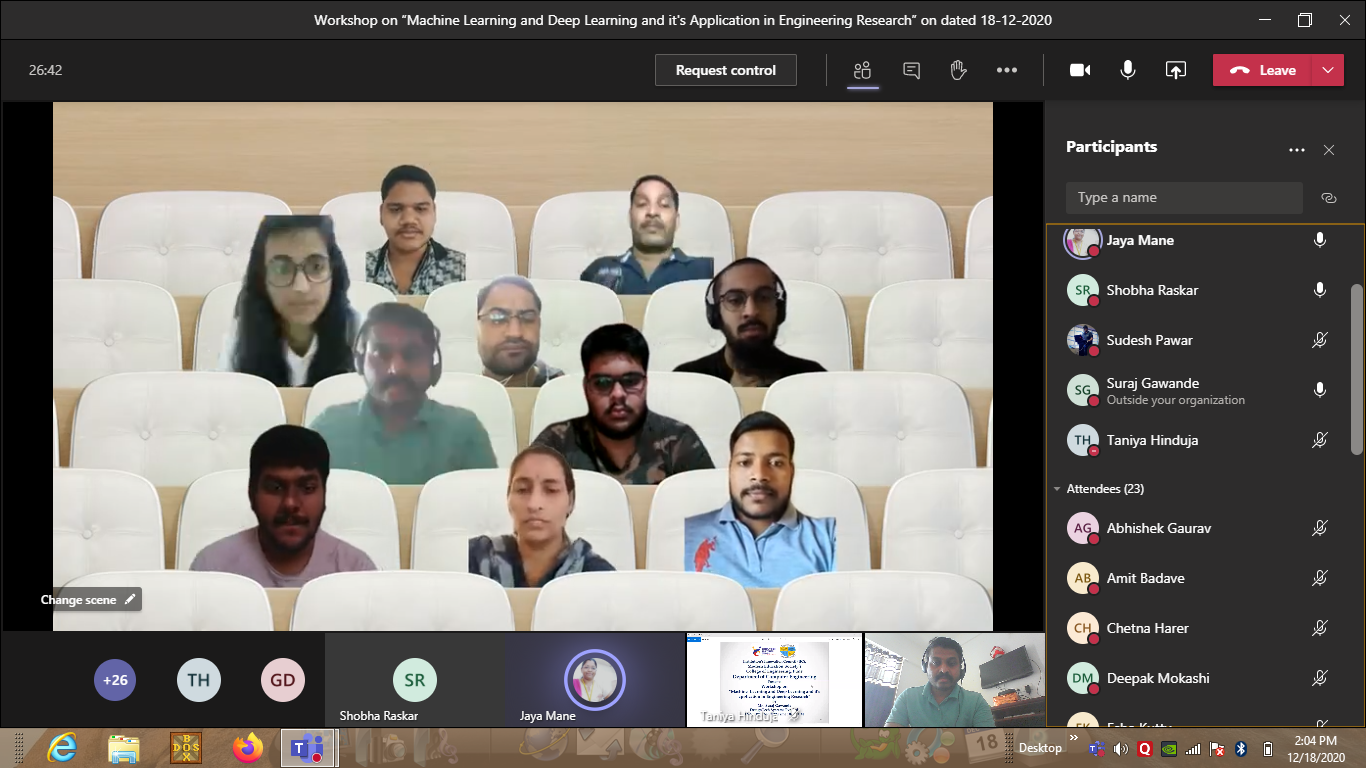
Speaker: Mr. Suraj Gawande, Sr. Engineer, DesignTech System Pvt. Ltd. Pune Date: 18th Dec 2020 Venue: Online Mode (MS Team) Total No. of Participants: 77- TE and BE Student of Computer
Objectives: To make the students aware of the use of MATLAB and its application in Machine Learning and Deep Learning. Also, to motivate them to make use of it for various modern-day problem-solving. Outcomes: Students will be able to use MATLAB and its application in Machine Learning and Deep Learning. PEOs satisfied and POs achieved: PEO: 3,5 PO: 5
Online Workshop on Machine Learning and Deep Learning and its application in Engineering Research was successfully organized on 18th Dec 2020 by Computer Engineering Department, MESCOE under MESCOE IIC Innovation Activity. The workshop gained great response and participation from TE and BE Computer students. The session was conducted by Mr. Suraj Gawande, Sr. Engineer, DesignTech System Pvt. Ltd. Pune. He has experience in the areas of Image Processing, Machine Learning, Deep Learning and Data Science. His main role is to train end-users on MATLAB and Simulink platforms on various applications. He has 4 years of industry experience and worked on Xilinx, LabVIEW and Texas instruments. He has published 5 research papers in the area of Machine Learning and Deep Learning. He covered the following contents during the session:
Application of MATLAB • Toolbox in MATLAB related to ML. • Tools for Deep Learning • Various Models and algorithms
It was an informative as well as a beneficial session for TE and BE students. The workshop was helpful for students in their engineering work. During the workshop, both students and the speaker held an engaging conversation. All basic and necessary points are covered by the speaker. Students were motivated and enlightened by using MATLAB and its application in Machine Learning and Deep Learning.
The Schedule of the session was as follows: • Participant joining session• Welcome Speech, Inaugural ceremony and Introduction of the speaker by Taniya Hinduja (TE Student) • Session by Speaker- Mr. Suraj Gawande • Question Answer session • Vote of Thanks by Taniya Hinduja (TE Student). The session was very useful for TE and BE computer students and it will definitely help them to do their work in Machine Learning and Deep Learning area.
Date: 26th to 30th April 2021 Venue: Online Session Total No. of Participants: 42, MESCOE Staff Objectives: • To introduce MESCOE staff to Python 3.4.3, as it is one of the most popular programming languages today. • To motivate them for using Python as a Programming Language to perform various tasks more easily. Outcomes: After the completion of FDP participants will be able to use Python 3.4.3 as a programming language for numeric and symbolic computation as well as 2D/3D plotting. PEOs satisfied and POs achieved: PEO: 3,5 PO: 5
Activity Report: Online Workshop on Python 3.4.3 was successfully organized during 26th to 30th April 2021 by the Computer Engineering Department, MESCOE. The seminar received an enthusiastic response and participation from MESCOE staff from all three departments. The session was organized by Mrs. Jaya S. Mane and Mr. Gajanan B. Aochar Asst. Prof., Computer Engineering Dept., MESCOE Pune under the valuable guidance of Dept. FDP Coordinator Mrs. S.P. Khedkar and HOD of Comp Dept. and Dr. (Mrs.) N. F. Shaikh.
Following Modules are covered through online course videos during these five days.
1 Module: Basic Plotting
2 Module: Plotting Experimental Data
3 Module: Handling Large Data Files
4 Module: Arrays and Matrices
5 Module: Python Language: Basics
6 Module: Python Language: Data structures
7 Module: Python Language: Advanced
It was a self-paced FDP. Course Material provided by Spoken Tutorial IIT Bombay is made available by coordinators as well a Daily quiz is organized which helps participants to cover the content for five days successfully. The participants and organizer engaged in an educational interaction during this 5-days workshop on the WhatsApp group created for the FDP. All basic and necessary points covered by course videos are available on the spoken tutorial website. Participants were motivated and enlightened for using Python as a programming language. The FDP was very useful for all staff in three departments of MESCOE and it will definitely help them to work with python as a programming language.
Error: Contact form not found.